
Katie E. Richards-Schuster
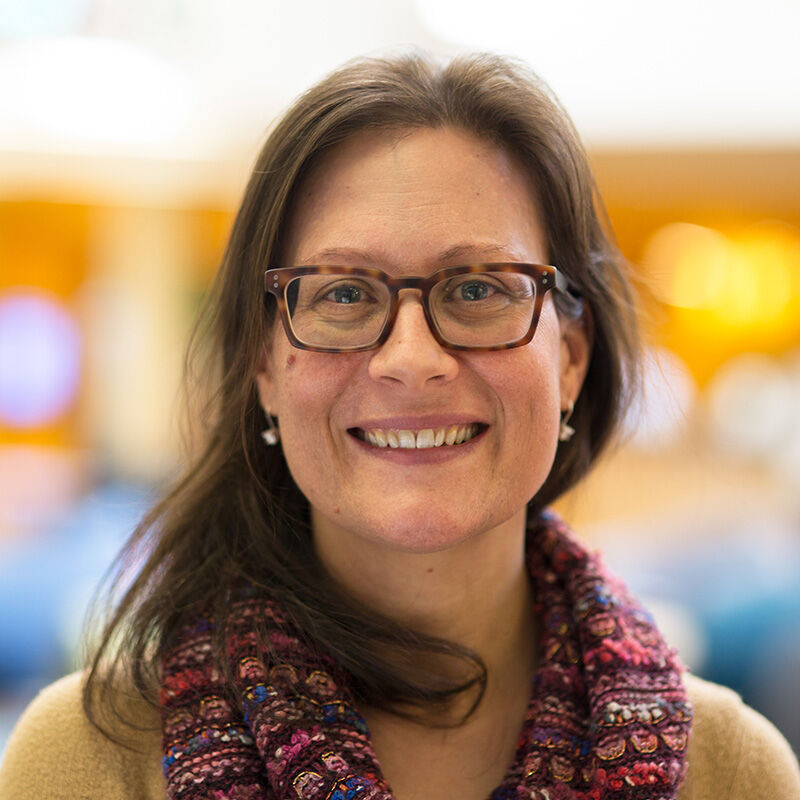
Katie Richards-Schuster, AM, PhD, is an associate professor at the University of Michigan School of Social Work. She received her PhD in Social Work and Sociology from U-M, her AM from the University of Chicago, and her BA in Political Science from U-M.
Osvaldo Rivera
Osvaldo “Ozzie” Rivera MSW ‘87 (U of M) has worked in a number of community based non-profit and arts/cultural entities. He also has held key positions in state government and in college and university settings. His primary focus has been in organizing low-income and communities of color around a number of issues e.g. youth, substance abuse/AIDS, empowerment strategies etc. He is a performing artist and historian of Afro Latino contributions to U.S. history and culture.
Yanni Robinson

Dr. Yatesha (Yanni) Robinson has been a dedicated faculty member at the School of Social Work since 2015, bringing her expertise to the Office of Field Education in 2018. She currently serves as the Assistant Director of Field Education for the Online Program and as an adjunct clinical assistant professor. With over 25 years of experience in non-profit organizations, she has a rich background in providing direct services to women, children, youth and families.
Lawrence Root
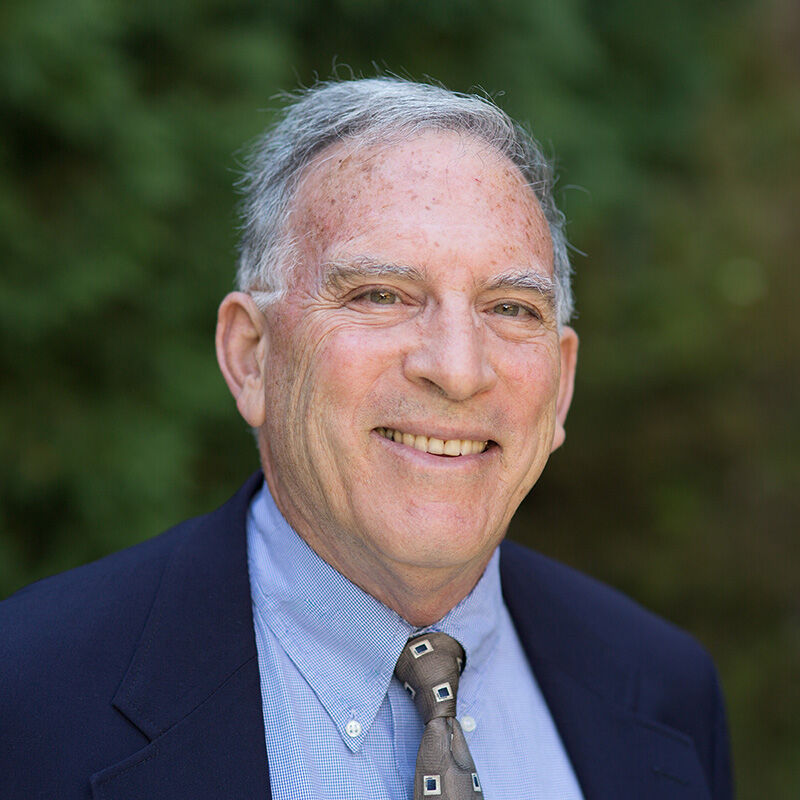
Lawrence Root is a professor in University of Michigan's School of Social Work. His research and practice have focused on the intersection of employment and social welfare. He has directed programs and published in the areas of fringe benefits and social policy, employee assistance programs, aging and work, work-family flexibility, employment issues among low-income individuals, and international labor.
Mary C. Ruffolo
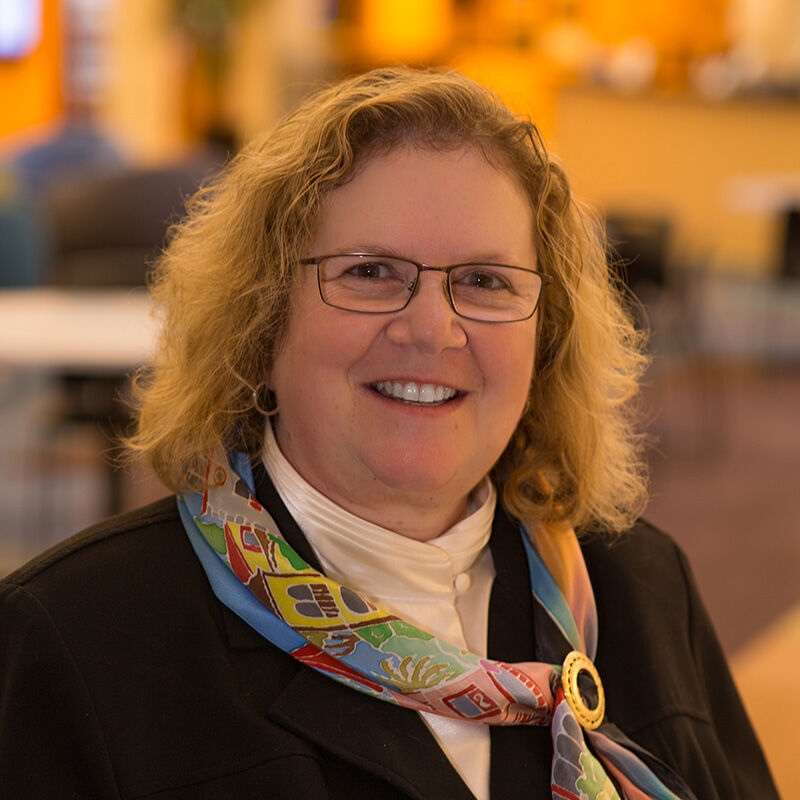
Professor Mary Ruffolo’s research focused on integrated behavioral health and primary care, organizational factors that influence sustaining evidence-based interventions/programs in community behavioral health settings, adapting efficacious interventions for children and youth experiencing serious mental health challenges, and addressing ways to disseminate interventions with at-risk populations. Recently, working with faculty in Norway, the UK and Australia, Ruffolo studied psychological well-being in adults during the COVID-19 pandemic.
Joseph P. Ryan
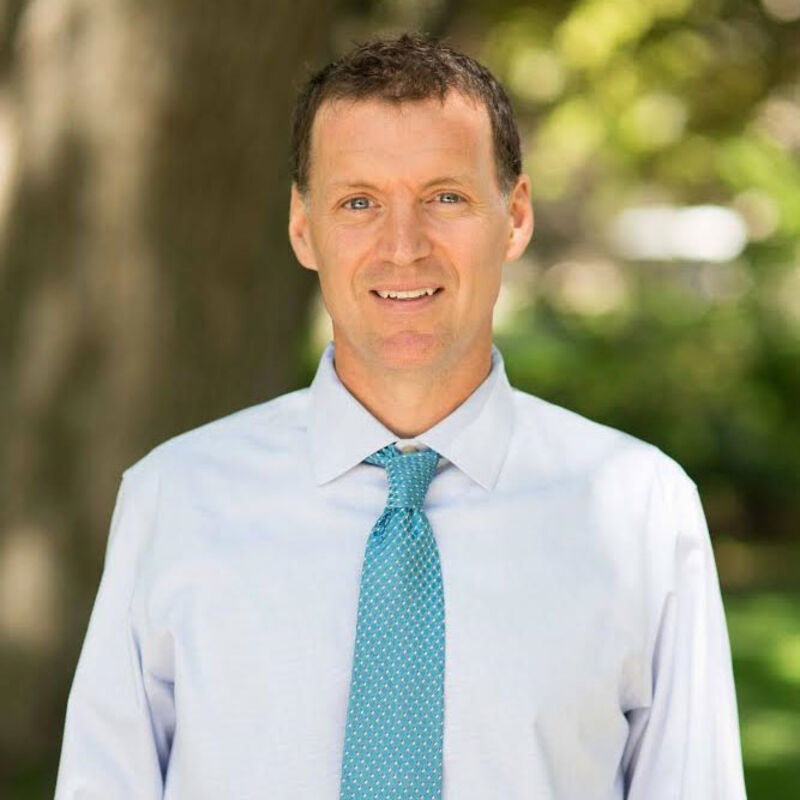
Joe Ryan's research and teaching build upon his direct practice experiences with child welfare and juvenile justice populations. Dr. Ryan is the Co-Director of the Child and Adolescent Data Lab an applied research center focused on using data to drive policy and practice decisions in the field.
Fatima Salman

Fatima Salman, LLMSW, is a macro social worker and community organizer. As part of the School’s ENGAGE team, she works with communities and organizations in Wayne and Washtenaw counties to increase their capacity and resources in order to meet their goals. Through the work of ENGAGE, she runs the Employment Equity Action and Learning Collaborative, a collaborative of 65+ stakeholders that works together to leverage resources and foster just and equitable economic development solutions for individuals in the city of Detroit.
Monica D. Sampson

Monica Sampson, MSW ’00, is a clinical faculty member of the School of Social Work, where she teaches MSW courses across both macro and micro pathways. With over 31 years of experience as a clinical and macro social worker, Sampson has dedicated her career to working with vulnerable children, youth, families and communities. Her teaching emphasizes diversity, equity and inclusion, grounding all content in an anti-racist, social justice framework that highlights the core principles of power, oppression, intersecting social identities and structural privilege and marginalization.
Laura L. Sanders

With a master's degree in social work from the University of Michigan, Laura Sanders has been an adjunct instructor in U of M's graduate program since 1996. She provides contractual and private therapy, consultation, training, supervision, and expert witness testimony in the areas of sexual abuse and other trauma, attachment and adoption, and issues of gender and sexuality.
Daniel G. Saunders
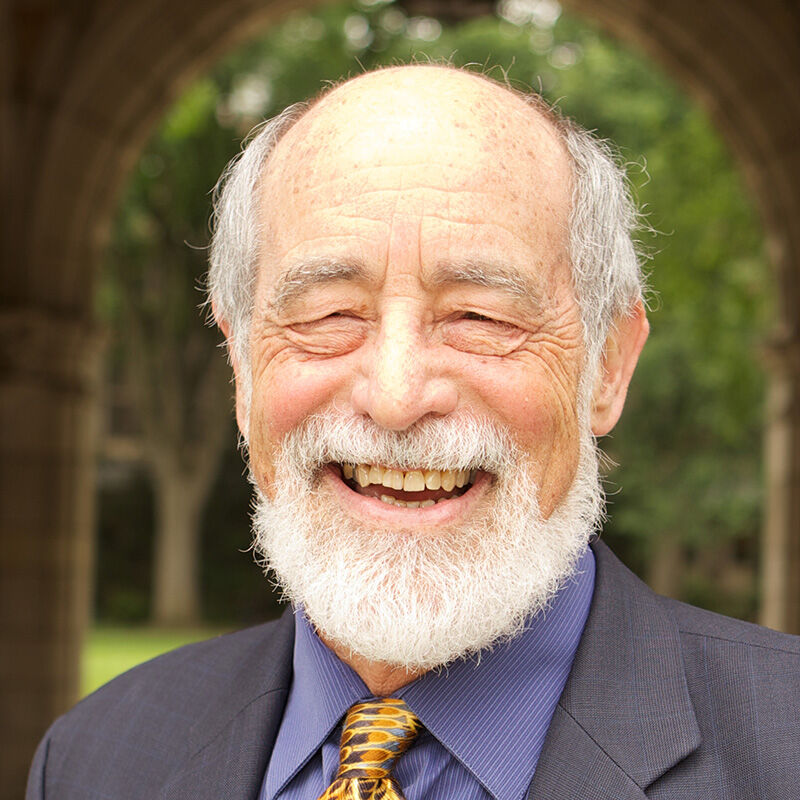
Daniel Saunders, professor of social work, established one of the first intervention programs for men who batter and helped to establish crisis and advocacy programs for battered women in the 1970s. His research, teaching, and service center on the problems of dating and domestic violence. His specific studies focus on offender program evaluation, the traumatic effects of victimization, and the response of professionals and the public to dating and domestic violence.