
Kristine A. Siefert
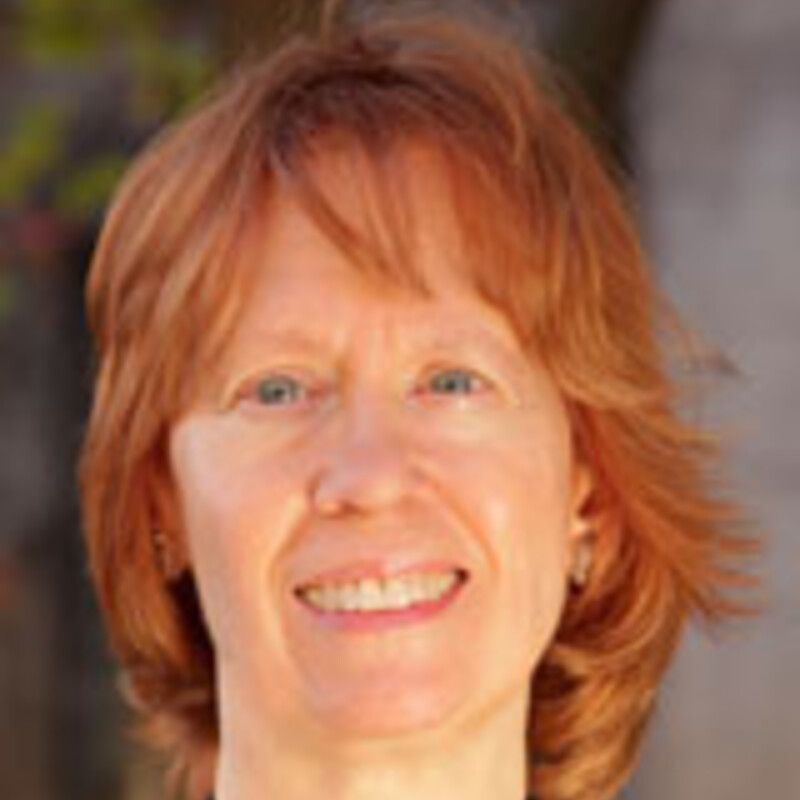
Kristine Siefert’s research focuses on identifying modifiable social, behavioral, and environmental determinants of health, with an emphasis on addressing socioeconomic and racial/ethnic health disparities.
Siefert joined the faculty in of the School of Social Work in 1979. She held the Edith S. Gomberg Collegiate Professorship in Social Work from 2007 until her retirement in 2012. She also served as associate dean for academic affairs and assistant dean for research.
Nitesh J. Singh

Nitesh Singh is an experienced social worker, educator and program administrator. Across his 15-year career at the University of Michigan, Singh has managed academic programs, stewarded university-community partnerships and served on the board of directors of national non-profit organizations. Singh has also worked as a clinical therapist in private practice, specializing in college student mental health.
Andrea L. Smith

Andrea Smith has primarily focused on working with adolescents, law enforcement and the justice-involved population. In addition, Smith provides program evaluation and program development services and training on various subjects. She has over 15 years of increasing expertise within the field of health and human services.
Matthew J. Smith

Matthew J. Smith, PhD, MSW, MPE, LCSW, received his PhD from the University of Wisconsin-Madison and completed post-doctoral fellowships in psychiatric epidemiology and biostatistics at Washington University in St. Louis and in translational neuroscience at Northwestern University. Smith also completed a fellowship on leading randomized controlled trials to evaluate behavioral interventions through the Office of Behavioral and Social Science Research, National Heart, Lung, and Blood Institute. Smith is the director of the NIH-Funded Level Up: Employment Skills Simulation Lab.
Rebeccah Sokol
Rebeccah Sokol, PhD, is a behavioral scientist who studies youth trauma exposure. Her overarching research agenda seeks to ease the burden of adversity experienced in childhood and adolescence, with a central focus on reducing youth violence exposure and involvement. Sokol uses a developmental lens, public health framework, quasi-experimental methods and data science techniques to inform strategies that prevent youth trauma.
Karen M. Staller
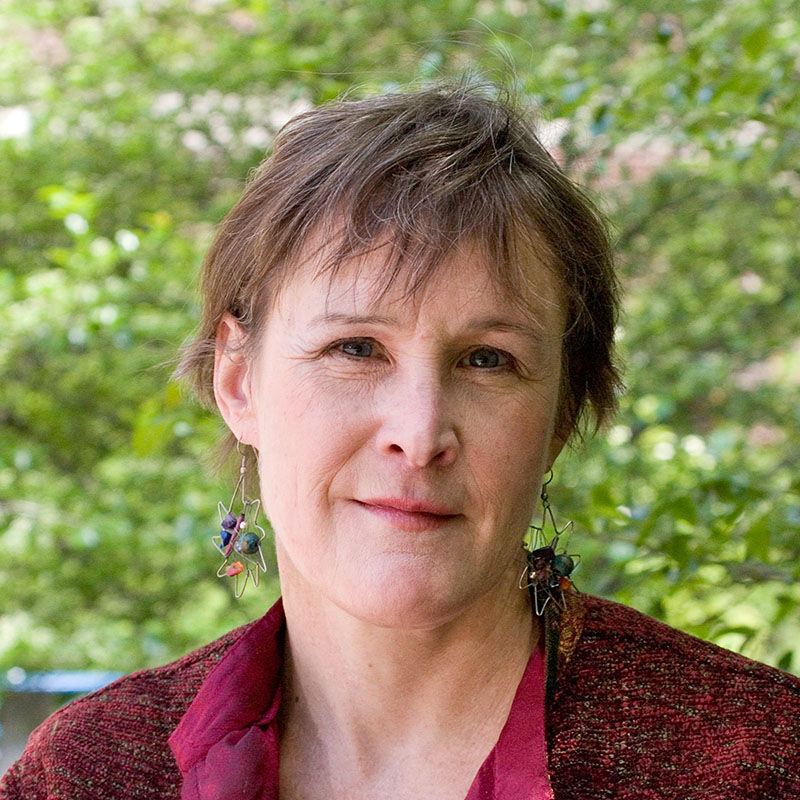
Karen Staller, PhD, JD, received her educational training at Cornell Law School and Columbia University School of Social Work, where her dissertation on runaway and homeless youth was awarded with distinction. Staller practiced public interest law with low-income senior citizens and at-risk adolescents in New York City. Her scholarship focuses primarily on runaway and homeless youth (and other at-risk adolescents). She is interested in the complicated interplay between social problem construction, social service delivery, and social policy.
Sara F. Stein
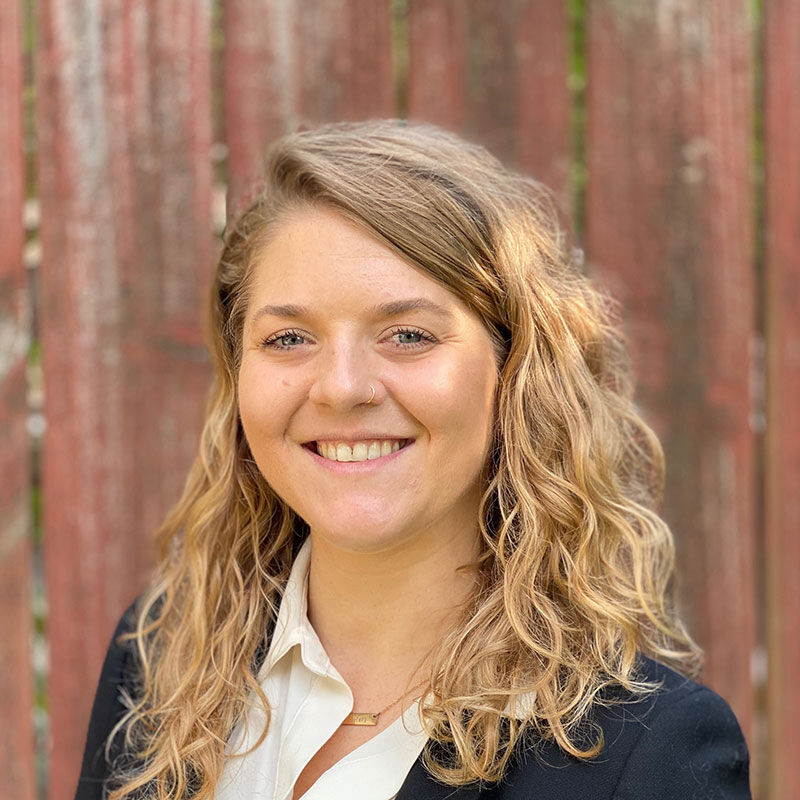
Sara F. Stein, PhD, LMSW, is an assistant professor at the University of Michigan School of Social Work. She studies the intergenerational health impacts of trauma, examining how traumatic stress and structural inequities become embedded in women's health and parenting during pregnancy and early childhood, and how these experiences in turn shape young children's health and stress physiology.
Connie Sung
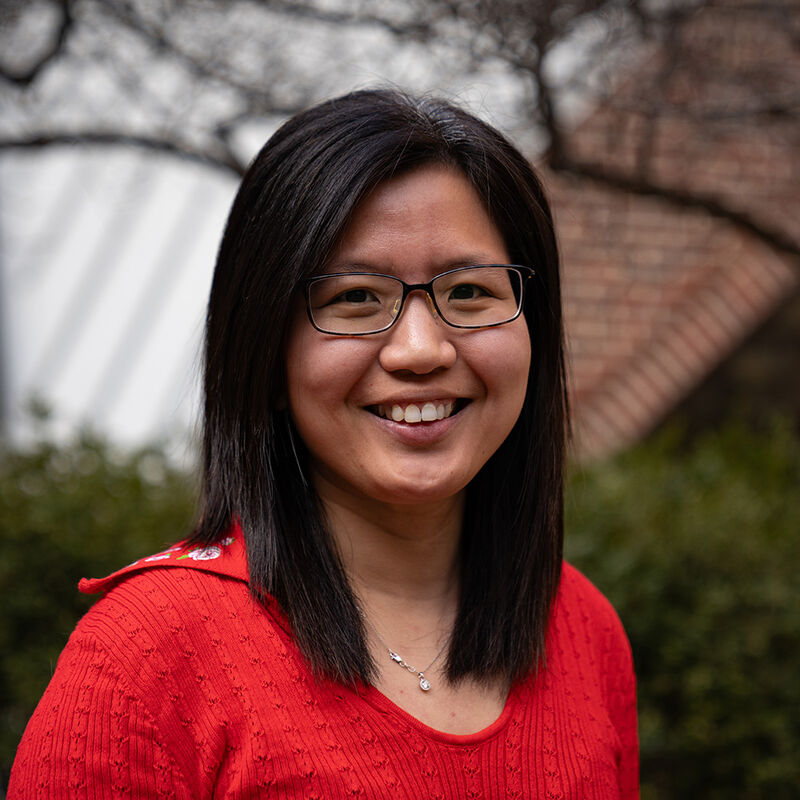
Dr. Sung's primary research interests focus on the role of biopsychosocial factors and community-based interventions in improving school-to-work transition outcomes, career development and psychosocial adjustment for individuals with disabilities. She has authored over 100 publications in the areas of disability justice and rehabilitation, and has received multiple research awards.
Couper Tanko
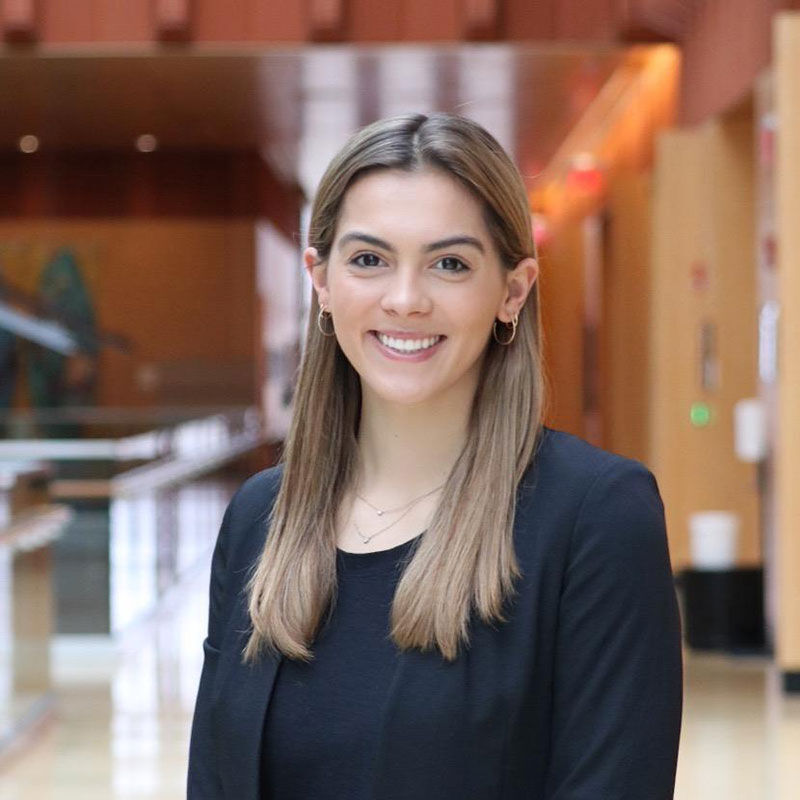
Couper Tanko, MSW '23, (she/her/hers) is the School of Social Work’s Undergraduate Program Coordinator. As an MSW student, she pursued the Interpersonal Practice in Integrated Health, Mental Health, and Substance Abuse pathway. She has spent the past few years in Ann Arbor and completed her undergraduate degree at U-M in LSA’s sociology department.
Robert Joseph Taylor
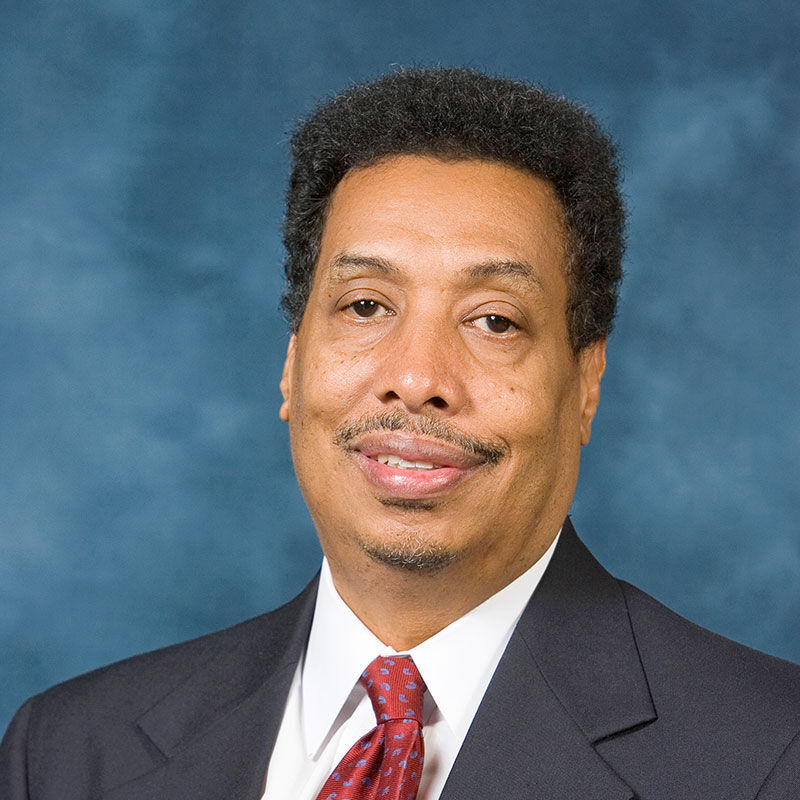
Robert Joseph Taylor is the Harold R. Johnson Endowed Professor of Social Work and the Sheila Feld Collegiate Professor of Social Work. He is also the Director of the Program for Research on Black Americans at the Institute for Social Research. Professor Taylor has published extensively on the informal social support networks (i.e., family, friends, and church members) of adult and elderly Black Americans. An article by Thyer in Journal of Social Service Research finds that Robert Joseph Taylor is the #15 most influential social work faculty (out of 2204 faculty) based on H-index.