
Sue Ann Savas

Sue Ann Savas is a Clinical Associate Professor at the University of Michigan School of Social Work. She received her MSW and BA in economics from the University of Michigan. For the past 20 years, Sue Ann practiced as a program evaluator. She specializes in the areas of program design, logic modeling, evaluation planning, implementation evaluations, outcome measurement, and reporting for continuous quality improvement. She uses an interdisciplinary approach, collaborating with providers from the fields of social work, public health, environmental health, and education.
Hannah R. Schottenfels
Katie A. Schultz

Dr. Katie Schultz focuses her research on health equity among American Indian and Alaska Native (AI/AN) populations. She examines violence and associated health outcomes, including substance misuse, among AI/AN women and girls; community and cultural connectedness as protective factors; and culturally-grounded interventions. A citizen of the Choctaw Nation of Oklahoma, she is interested in innovative conceptual and methodological research with tribal communities rooted in Indigenous knowledges and sustainable solutions by and for Native peoples.
Brett A. Seabury
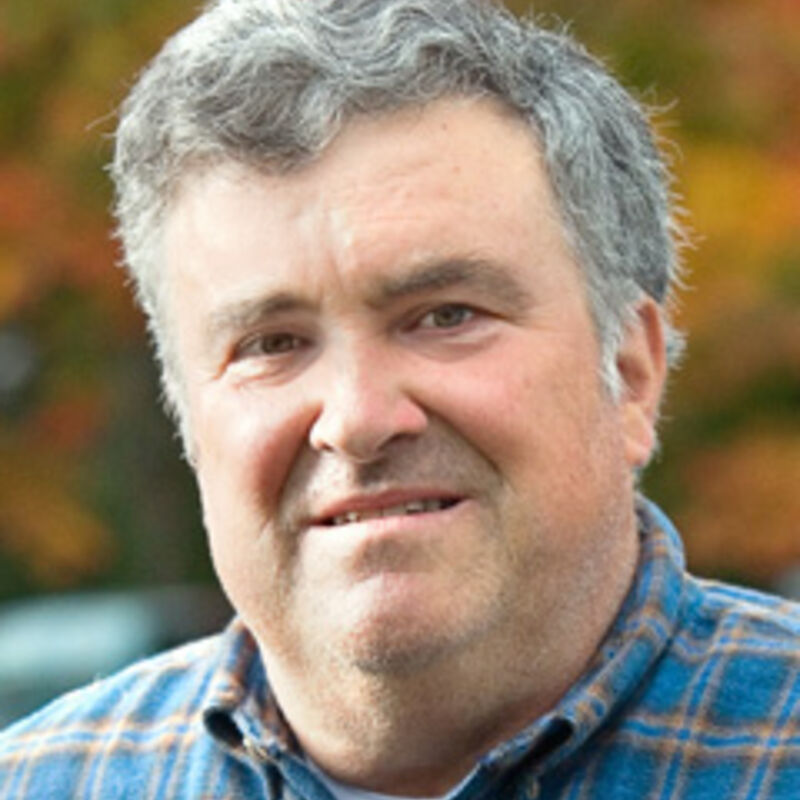
Associate Professor Emeritus Brett Seabury has a primary interest in interpersonal practice and has practiced social work in mental health and child welfare settings, as well as in the U.S. Army. His current research and teaching interests are social work education, time-limited practice, using metaphors in social work practice, and indigenous (alternative) healing systems. His most current interests involve the use of information technology in the classroom, and the use of the Internet to deliver interactive video simulations designed to teach social work practice skills.
Diana W. Seales

Diana Seales is a seasoned advocate for environmental justice with a wealth of experience in project management and community organizing. Her work centers around building alliances between environmental organizations, communities and advocacy groups to address environmental health and justice concerns. Seales has honed her skills in grassroots community organizing and has been instrumental in establishing several non-profit institutions.
Kristin S. Seefeldt

Associate Professor Kristin Seefeldt’s primary research interests lie in exploring how low-income individuals understand their situations, particularly around issues related to work and economic well being.
Currently, she is conducting research on families’ financial coping strategies and is a Principal Investigator of a survey examining the effects of the recession and recovery policies on individuals’ well being.
H. Luke Shaefer

H. Luke Shaefer, PhD, is the Hermann and Amalie Kohn Professor of Social Justice and Social Policy and Professor of Public Policy at the Gerald R. Ford School of Public Policy at the University of Michigan. At U-M, he is also the inaugural director of Poverty Solutions, an interdisciplinary, presidential initiative that partners with communities and policymakers to find new ways to prevent and alleviate poverty.
Trina R. Shanks

Dr. Shanks’ research interests include the impact of poverty and wealth on child well-being; asset-building policy and practice across the life cycle; and community and economic development. As Director of the Center for Equitable Family and Community Well-Being, she continues ongoing research and intentionally seeks and responds to new opportunities that will empower families and communities to thrive.
Vivian B. Shapiro
In 1970 Vivian B. Shapiro joined the research group headed by Professor Selma Fraiberg within the Department of Psychiatry at the University of Michigan. This clinical research group, funded by the National Institute of Mental Health and part of a multi-university effort that included groups at NIH, Harvard, and Yale, focused on the assessment and treatment of very young children with emotional and developmental difficulties.
Beth A. Sherman
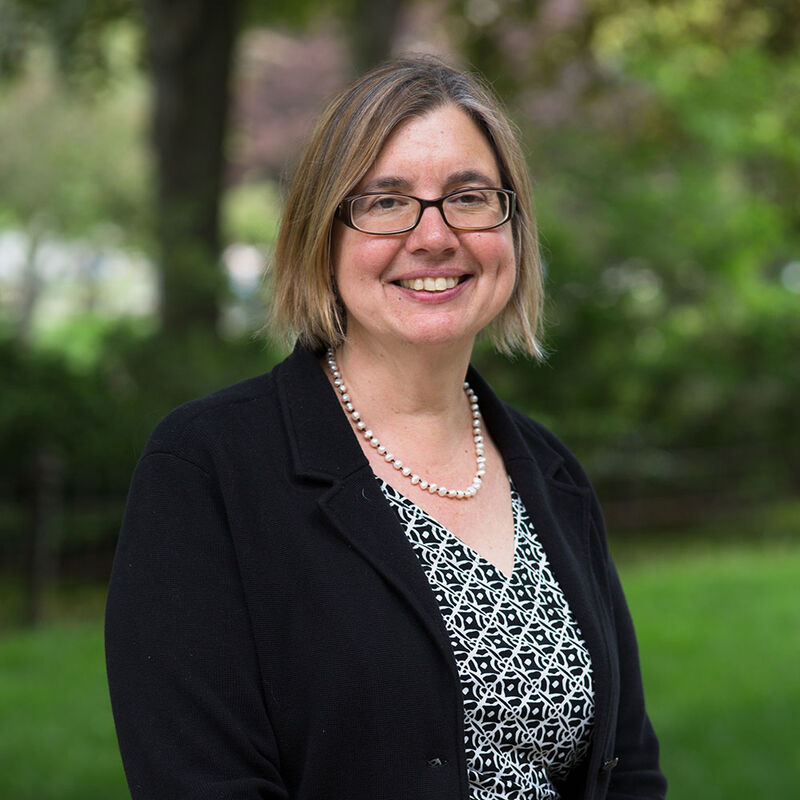
Beth Sherman received her MSW and BA in psychology from the University of Michigan and completed two years of undergraduate work at Oberlin College. Ms. Sherman specializes in the area of social work practice with children and youth. As an outpatient therapist, clinical supervisor, prevention program developer, and school social worker, she has provided social work services within multiple mental health, educational, and child welfare arenas.