
Daphne C. Watkins
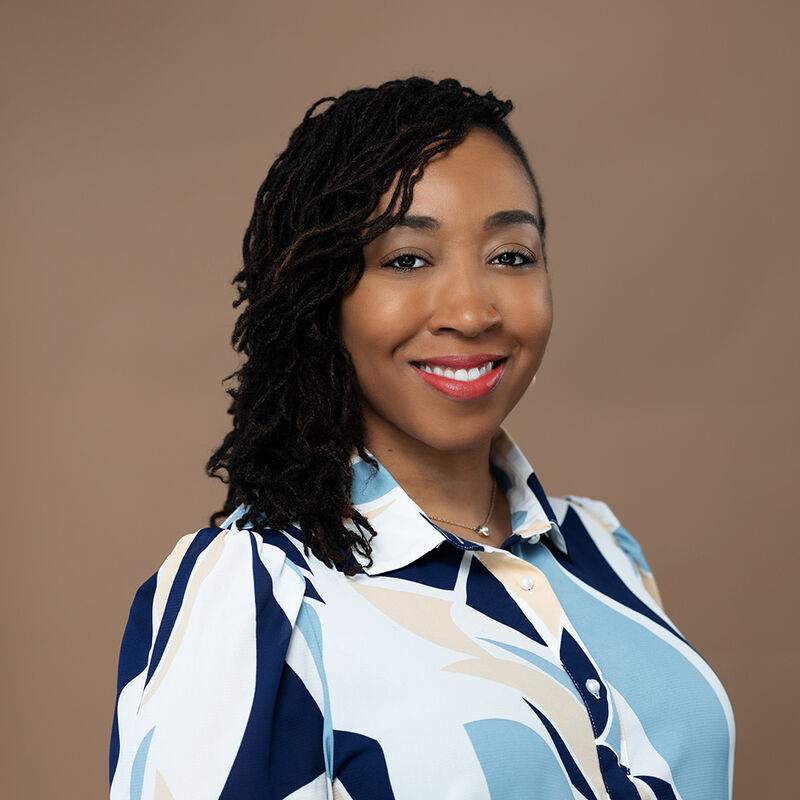
Daphne C. Watkins is a University Diversity and Social Transformation Professor and the Letha A. Chadiha Collegiate Professor of Social Work at the University of Michigan. She specializes in three interconnected areas of expertise: (1) behavioral interventions for historically underrepresented groups; (2) mixed methods approaches to research in context; and (3) social impact leadership and organizational management.
Addie Weaver
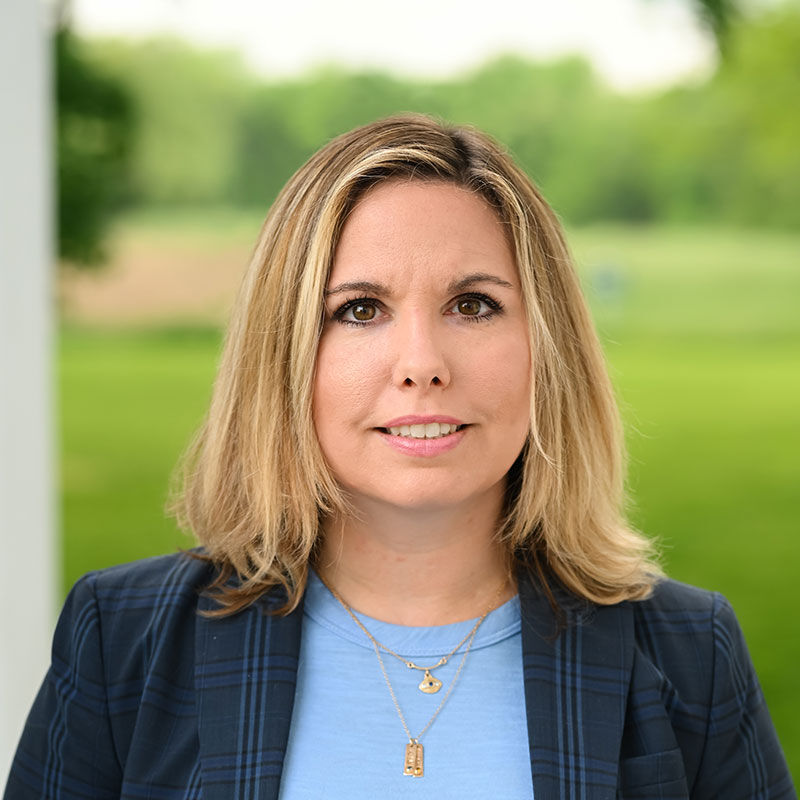
My research aims to increase access to mental health services for underserved, economically disadvantaged individuals and families living in rural communities. As an intervention and services researcher, I seek to develop and test innovative approaches for adapting, translating, and disseminating evidence-based treatment to increase the accessibility, acceptability, and sustainability of mental health care in rural communities.
Helen Weingarten
Helen Weingarten joined the faculty in 1981 as assistant professor and was promoted to associate professor in 1987. In 2000 she was named associate professor emerita of social work.
She is interested in the factors and processes that promote positive change in adulthood. While much of her early work focused on change initiated by such crises as divorce or remarriage, her attention has been more recently directed at articulating how deep-rooted values and needs give impetus and direction to personal improvement, growth, and development.
Lawrielle S. West
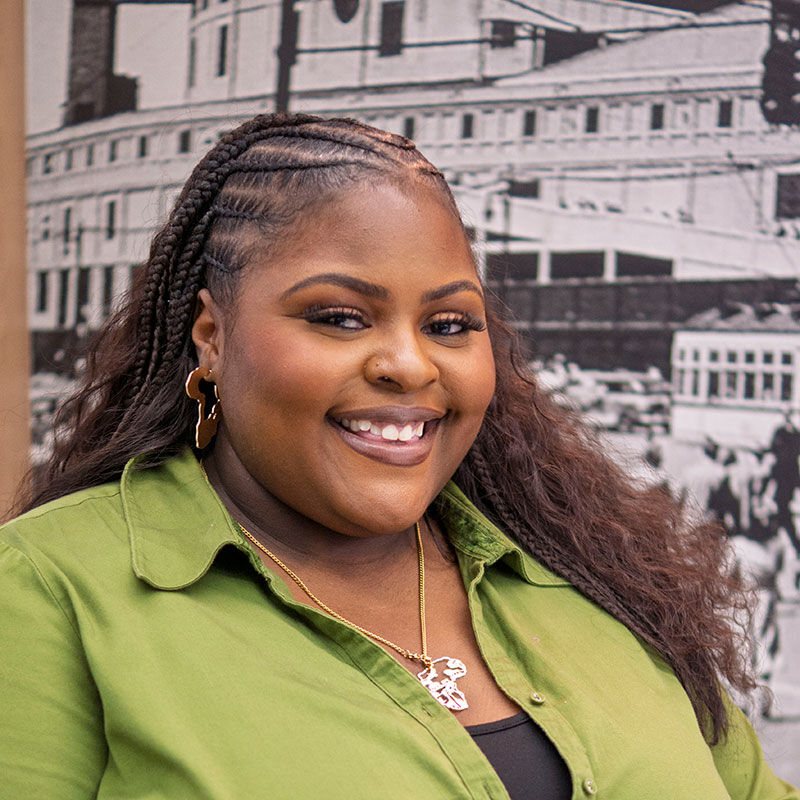
Lawrielle West, MSW ’18, is a dynamic nonprofit leader, social work educator, and entrepreneur with deep expertise in macro practice, organizational leadership and community-centered innovation. A proud graduate of the U-M School of Social Work, West has spent over a decade advancing equity and impact through roles in nonprofit management, program design and strategic consulting. She is the founder of LWest & Co., a consulting firm supporting mission-driven organizations, and KwanzaaMe, a national platform that blends cultural celebration with social enterprise.
Lisa M. Wexler

Building from resources within rural and Alaska Native and American Indian communities, schools and families, Wexler’s participatory research identifies strengths, practical systems and protective factors to prevent suicide and reduce harms from substance use. Instead of orienting primarily toward professional solutions as many suicide prevention and behavioral health programs do, her work strengthens social care and relationships.
Stephen R. Wiland

Steve is a licensed Master's Social Worker (LMSW), Internationally Certified Alcohol and Drug Counselor (ICADC), and Certified Clinical Supervisor (CCS), currently serving as the Director of the University of Michigan's online Addictions Certificate Program, in addition to other teaching, training, consultation and private practice endeavors.
Amber Williams
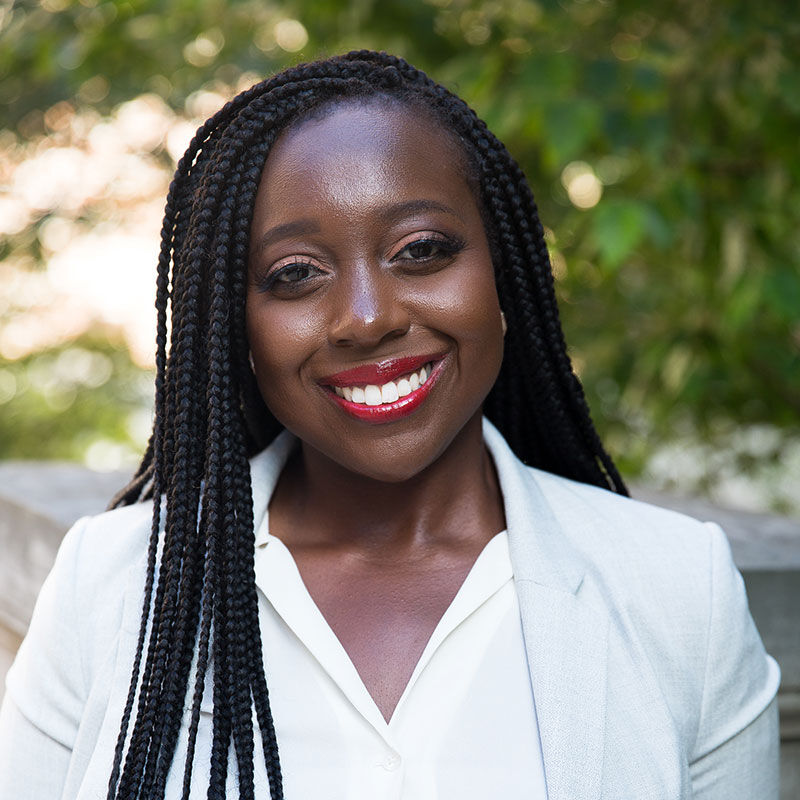
Amber Williams, MA, MSW '16, is a doctoral student in the Center for the Study of Higher and Postsecondary Education in the U-M School of Education. Williams' previous work focuses on social justice education through dialogic facilitation, in addition to student leadership development through campus activism, multicultural affairs and service learning. Her most recent work explores innovative academic and co-curricular initiatives that foster student engagement in community organizing and social justice.
Whitney E. Williams
Jewel R. Woods
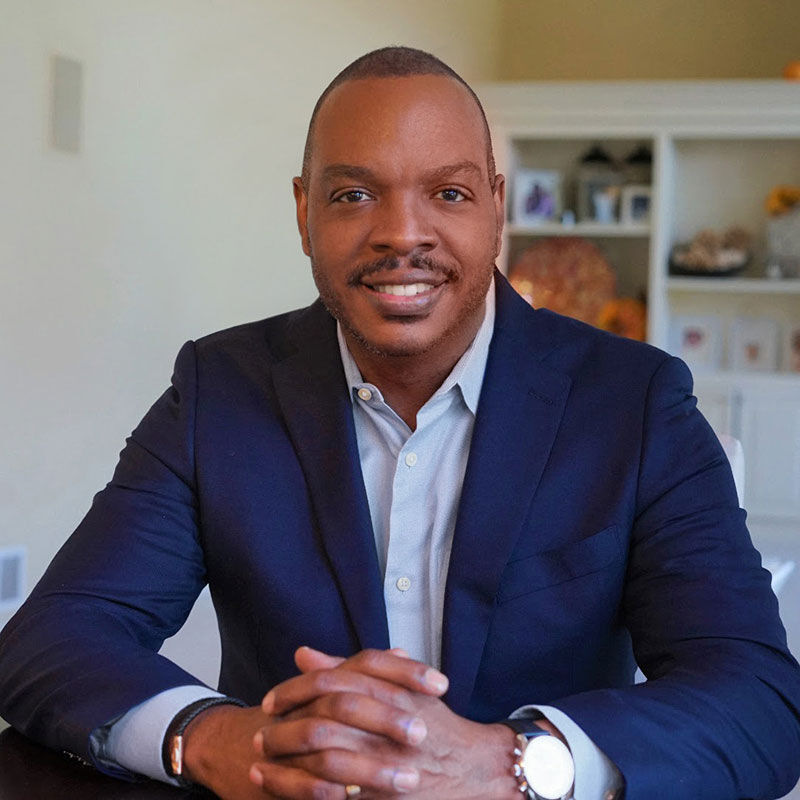
Jewel Woods (MA, MSW, LISW-S) serves as the founder and clinical director of Male Behavioral Health & the Center For Men & Boys. A licensed independent social worker with training supervision designation, Woods boasts over two decades of advocacy experience, working with and on behalf of diverse individuals and communities. Noteworthy achievements include his selection as a Ford Foundation New Voices Fellow, participation in the University of Chicago Minority Scholar Program and membership in the Fragile Families Study at Columbia University.
Xiaoling Xiang
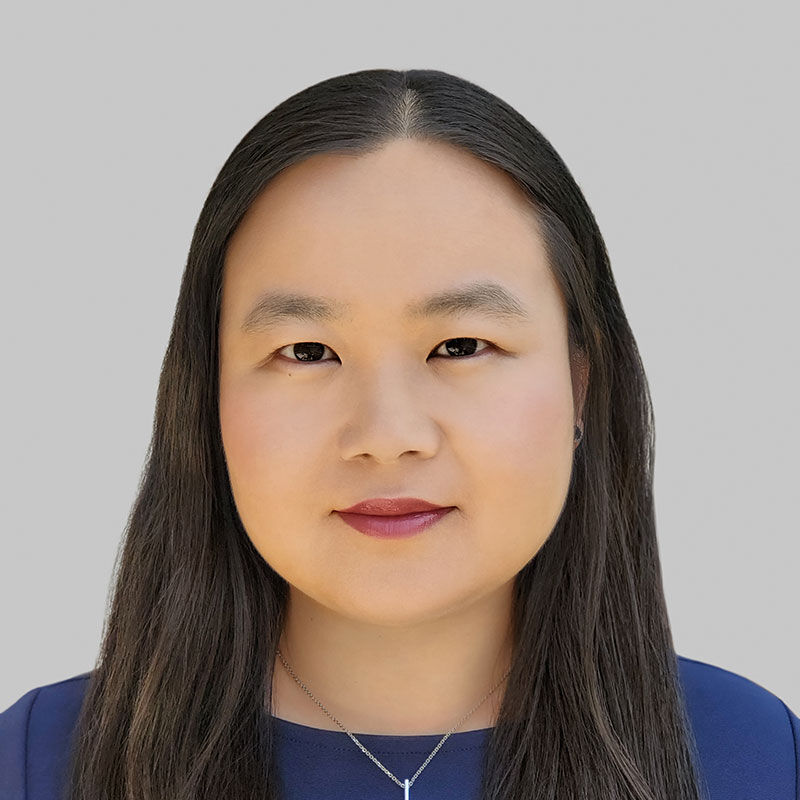
Dr. Xiang’s research is dedicated to enhancing the health and well-being of older adults, aiming for a state of complete physical, mental and social wellness. Her work spans two primary areas: fundamental social science research and applied intervention research.