
Sadé Mulkey
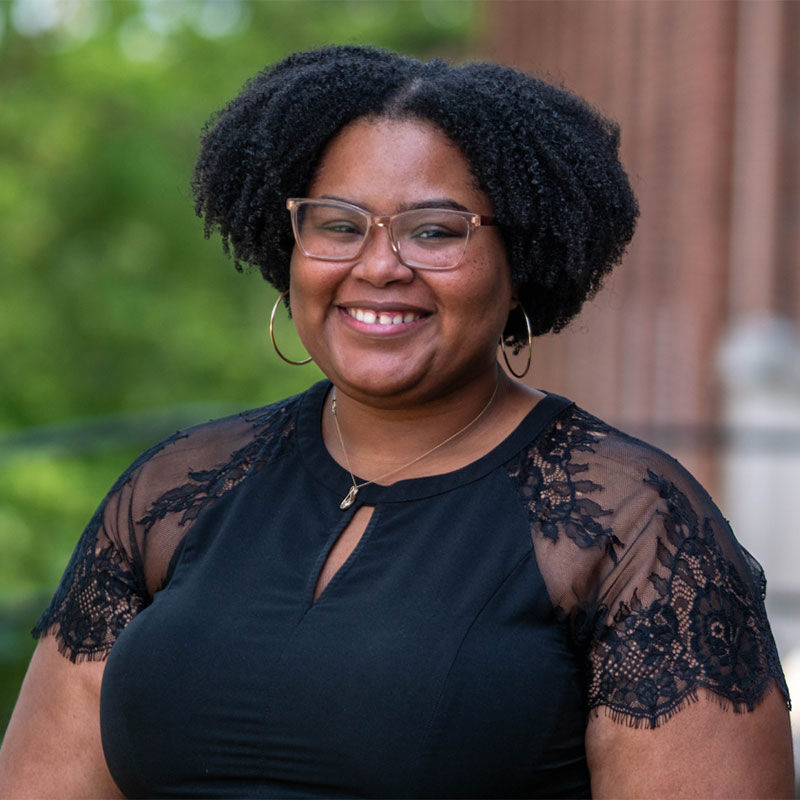
Dr. Sadé Richardson, MSW ’18, is currently the Director of Strategic Initiatives in the Office of Public Health Practice at the University of Michigan School of Public Health, where she orchestrates experiential learning opportunities and oversees the Public Health Action Support Team and the Future Public Health Leaders Program. She also develops and maintains relationships with community stakeholders domestically and internationally to support Public Health in Action courses.
Rachel T. Naasko

Rachel Naasko joined the Office of Field Education as a field educator/lecturer/field liaison in March 2016. Naasko previously worked in the University of Michigan Dean of Students Office as the Director of the Blavin Scholars Program and the University’s Critical Incident Coordinator, a position she held since 2008. She was responsible for program development, financial management, donor relations and development, staff training and case management.
Maureen M. Okasinski
Maureen Okasinski, MSW'96, focuses on individual, group and family practice with youth and families, in addition to community organizing, evaluation and administration. Okasinski is currently consulting in program evaluation, program development, grant writing and leading a small nonprofit. She has worked in southeast Michigan with youth and adults for nearly 20 years.
Robert M. Ortega

Associate Professor Robert Ortega’s research interests are in the areas of relationship development, group work practice, treatment interventions and service utilization particularly in the areas of mental health and child welfare. Ortega has published on these topics with a special focus on child maltreatment prevention and intervention, child welfare assessment and treatment, diversity and social justice in research and group work practice.
Rosalva Osorio Cooksy
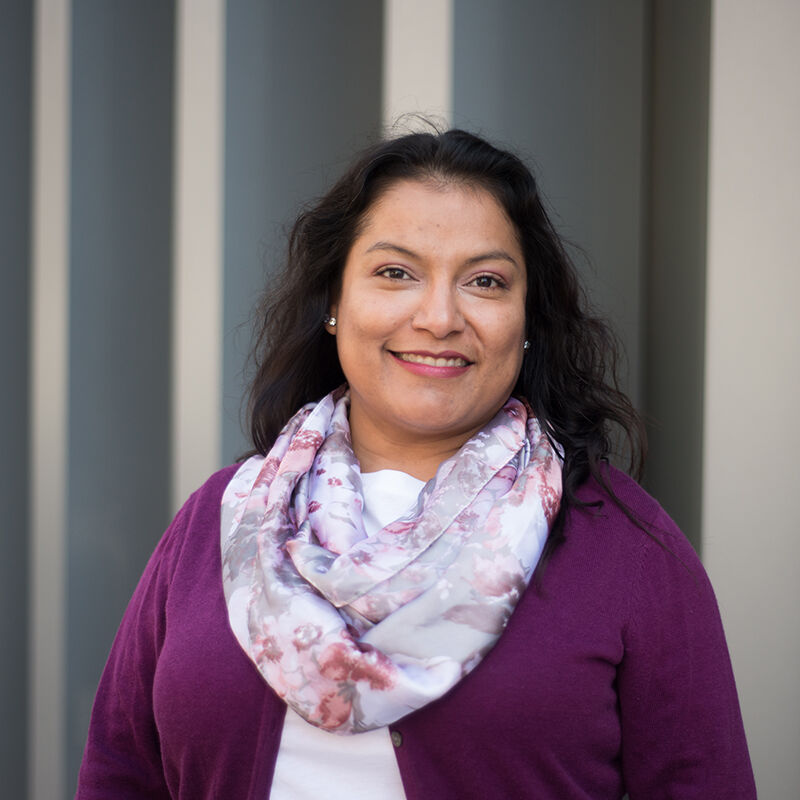
Rosalva Osorio joined the Office of Field Education as a field faculty and lecturer on December 9, 2019. They received a BA in sociology in 2004 and a Master of Social Work with a concentration in Community Organization and a minor in Interpersonal Practice in 2006, from the University of Michigan. They have worked in non-profit organizations in the Detroit area for the past 13 years.
Nichole Paradis
Nichole Paradis, MSW '94, LMSW, IMH-E®, (she/her/hers), has expertise in practicing and promoting infant and early childhood mental health. She has led a global nonprofit and successfully influences systems to strengthen support of the infant and early childhood workforce. Paradis has a depth of experience in transforming professional development strategies to be more equitable and inclusive, including the practice of reflective supervision/consultation.
Sunggeun (Ethan) Park

Ethan Park is an organizational scholar with an overarching research question, "how can health and social service organizations provide more responsive and effective services?" He is deeply interested in (1) how to ensure user's meaningful representation opportunities in service and policy decision-making processes, and (2) how intra/inter-organizational collaborations and macro-level measures influence organizational behaviors and shape the experience of vulnerable service users.
Brian E. Perron
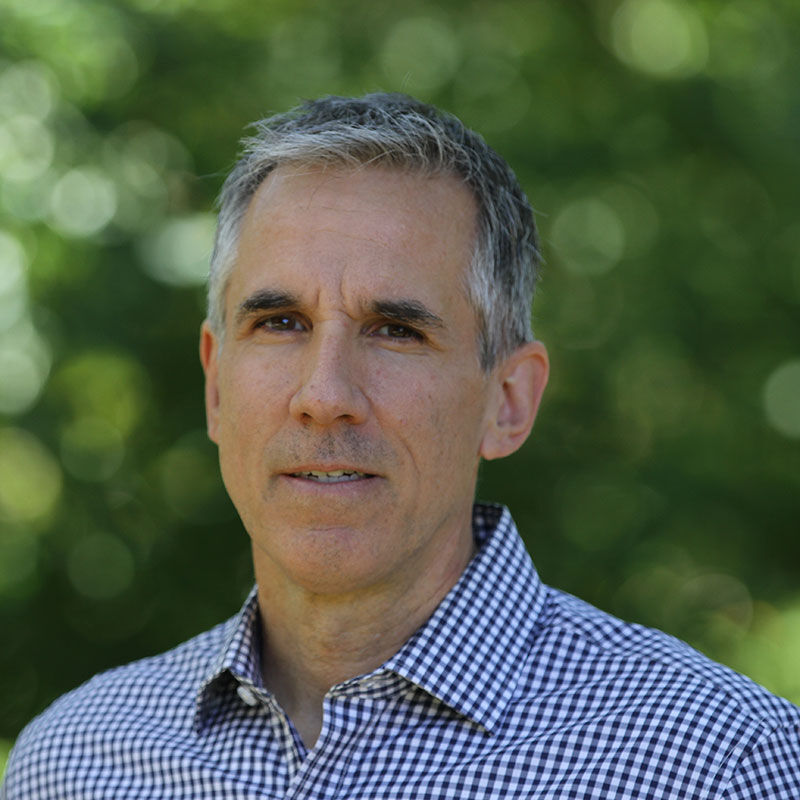
Brian E. Perron, PhD, is a professor at the University of Michigan School of Social Work. Perron's recent work focuses on helping community-based and mission-driven organizations use artificial intelligence and data to improve service delivery and other core business processes. Natural language processing and the fine-tuning and deployment of small, local models sit at the center of this work and run through most of it.
Stacy L. Peterson
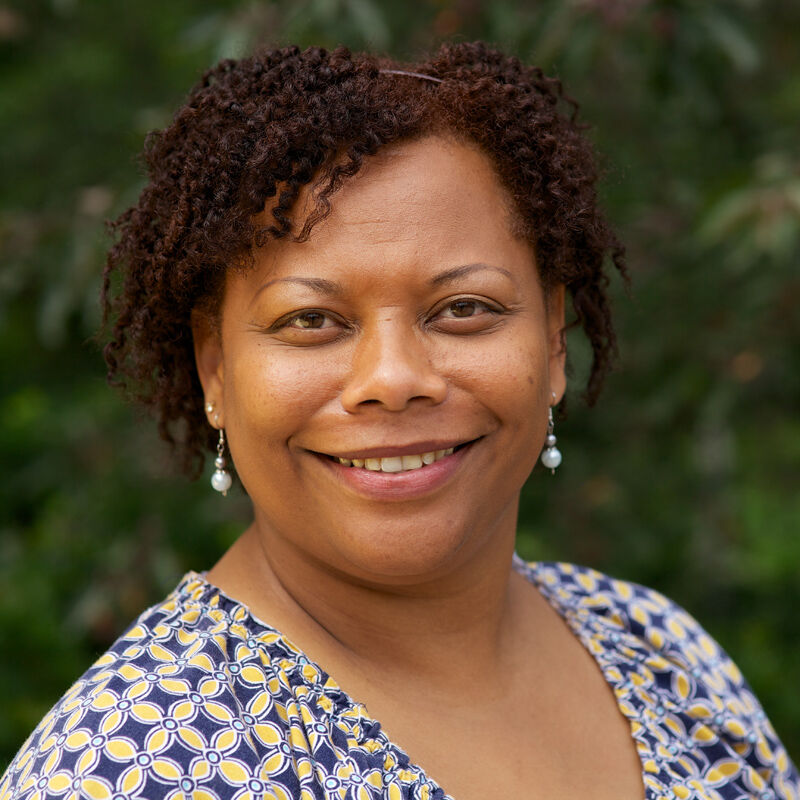
Stacy Peterson is a Licensed Master Social Worker (LMSW) in both clinical and macro social work. As a field educator at the University of Michigan School of Social Work in Ann Arbor, she works primarily with students interested in children and youth programming and clinical social work. Additionally, Peterson is a clinical social worker in a group practice where she provides individual and couples counseling with a focus on sexual health, recovery from trauma, anxiety, body image and depression.
Rogério Meireles Pinto
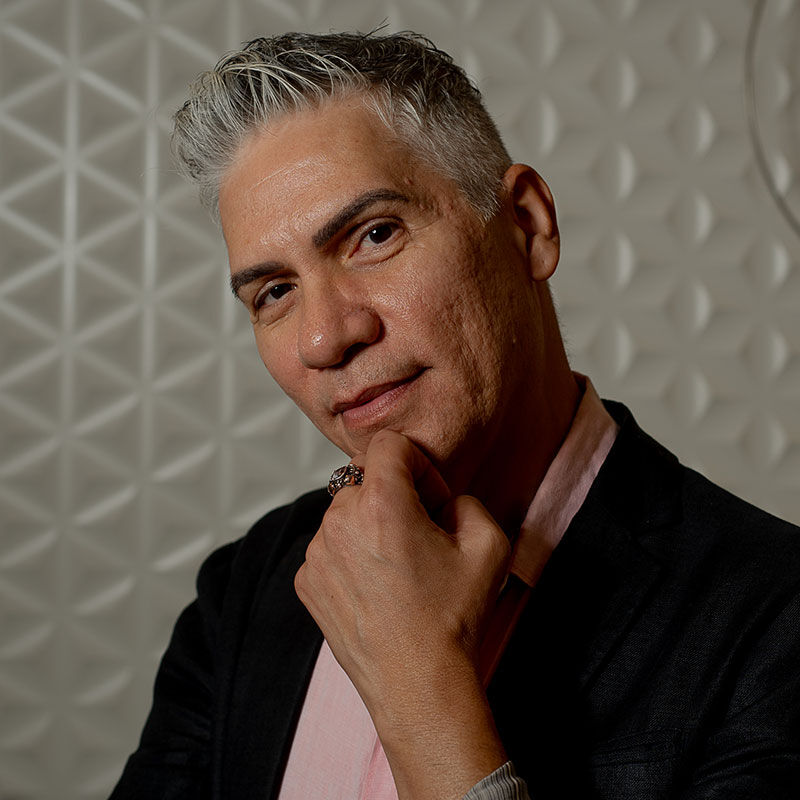
Born in Belo Horizonte, Brazil, Rogério M. Pinto uses mixed methods, including visual and performing arts, in community-engaged research in the United States and Brazil. Funded by the National Institutes of Health and other sources, Pinto investigates strategies for improving accessibility of social and health services (HIV and drug-use prevention and care) through cognitive/behavioral and social transformational interventions. Pinto’s work aims to help all people, and particularly racial/ethnic and sexual minoritized groups, engage in critical consciousness raising and social liberation.