
Katie E. Richards-Schuster
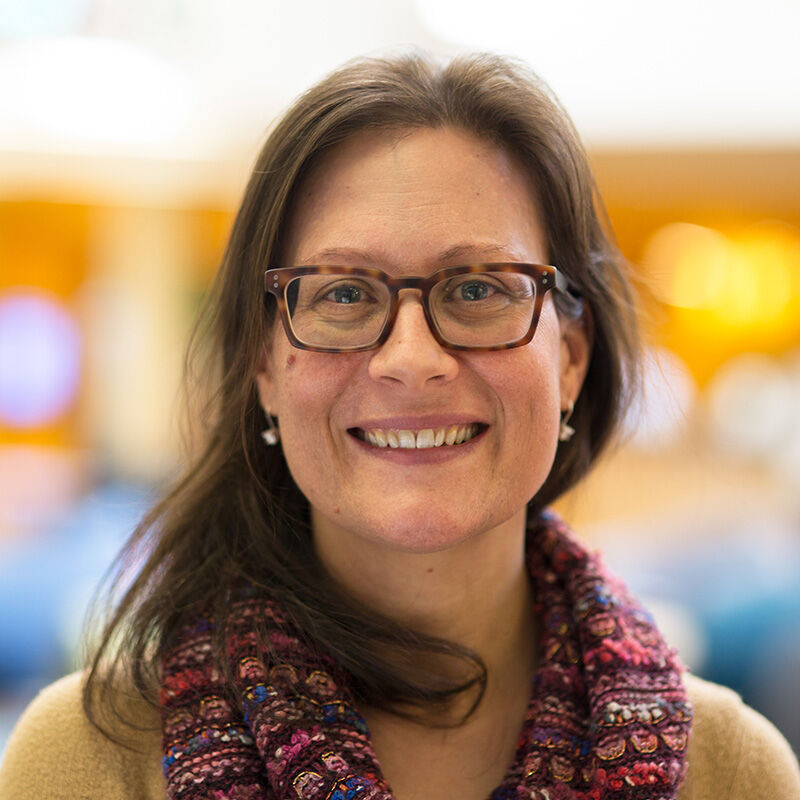
Katie Richards-Schuster, AM, PhD, is an associate professor at the University of Michigan School of Social Work. She received her PhD in Social Work and Sociology from U-M, her AM from the University of Chicago, and her BA in Political Science from U-M.
Joseph P. Ryan
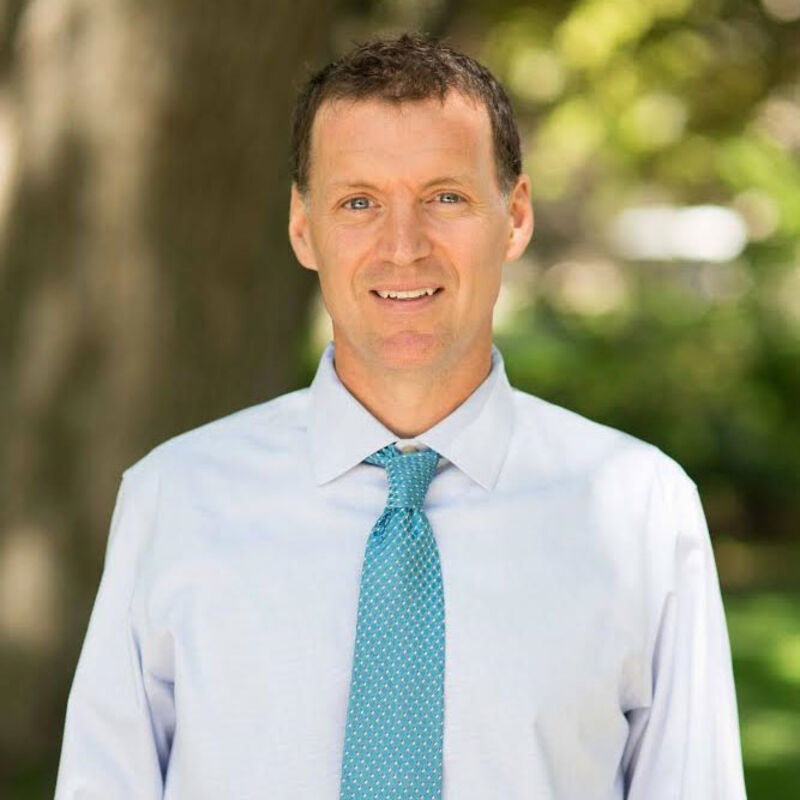
Joe Ryan's research and teaching build upon his direct practice experiences with child welfare and juvenile justice populations. Dr. Ryan is the Co-Director of the Child and Adolescent Data Lab an applied research center focused on using data to drive policy and practice decisions in the field.
Katie A. Schultz

Dr. Katie Schultz focuses her research on health equity among American Indian and Alaska Native (AI/AN) populations. She examines violence and associated health outcomes, including substance misuse, among AI/AN women and girls; community and cultural connectedness as protective factors; and culturally-grounded interventions. A citizen of the Choctaw Nation of Oklahoma, she is interested in innovative conceptual and methodological research with tribal communities rooted in Indigenous knowledges and sustainable solutions by and for Native peoples.
Kristin S. Seefeldt

Associate Professor Kristin Seefeldt’s primary research interests lie in exploring how low-income individuals understand their situations, particularly around issues related to work and economic well being.
Currently, she is conducting research on families’ financial coping strategies and is a Principal Investigator of a survey examining the effects of the recession and recovery policies on individuals’ well being.
H. Luke Shaefer

H. Luke Shaefer, PhD, is the Hermann and Amalie Kohn Professor of Social Justice and Social Policy and Professor of Public Policy at the Gerald R. Ford School of Public Policy at the University of Michigan. At U-M, he is also the inaugural director of Poverty Solutions, an interdisciplinary, presidential initiative that partners with communities and policymakers to find new ways to prevent and alleviate poverty.
Trina R. Shanks

Dr. Shanks’ research interests include the impact of poverty and wealth on child well-being; asset-building policy and practice across the life cycle; and community and economic development. As Director of the Center for Equitable Family and Community Well-Being, she continues ongoing research and intentionally seeks and responds to new opportunities that will empower families and communities to thrive.
Matthew J. Smith

Matthew J. Smith, PhD, MSW, MPE, LCSW, received his PhD from the University of Wisconsin-Madison and completed post-doctoral fellowships in psychiatric epidemiology and biostatistics at Washington University in St. Louis and in translational neuroscience at Northwestern University. Smith also completed a fellowship on leading randomized controlled trials to evaluate behavioral interventions through the Office of Behavioral and Social Science Research, National Heart, Lung, and Blood Institute. Smith is the director of the NIH-Funded Level Up: Employment Skills Simulation Lab.
Rebeccah Sokol
Rebeccah Sokol, PhD, is a behavioral scientist who studies youth trauma exposure. Her overarching research agenda seeks to ease the burden of adversity experienced in childhood and adolescence, with a central focus on reducing youth violence exposure and involvement. Sokol uses a developmental lens, public health framework, quasi-experimental methods and data science techniques to inform strategies that prevent youth trauma.
Karen M. Staller
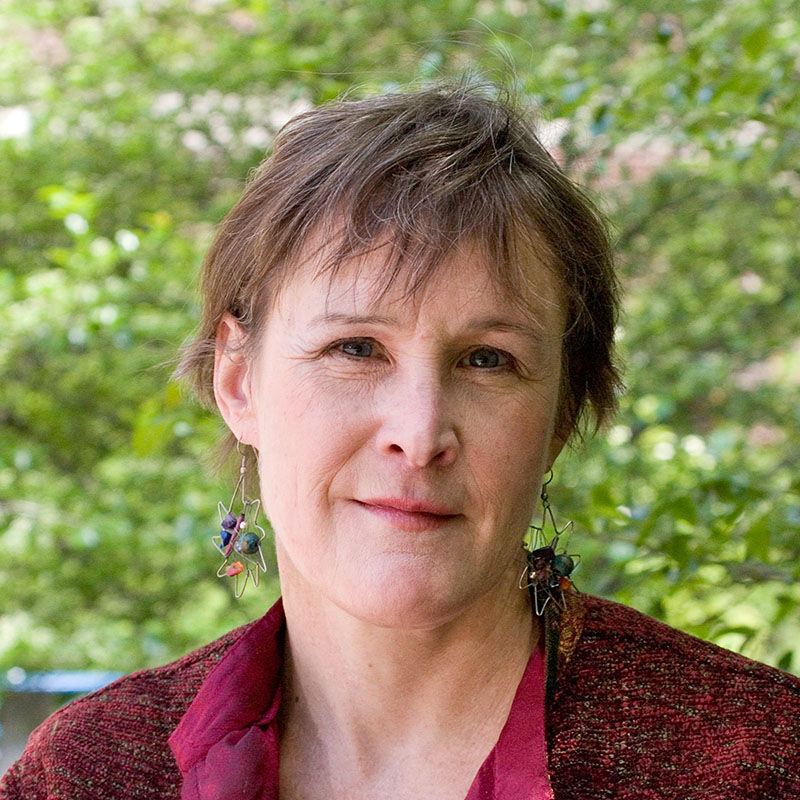
Karen Staller, PhD, JD, received her educational training at Cornell Law School and Columbia University School of Social Work, where her dissertation on runaway and homeless youth was awarded with distinction. Staller practiced public interest law with low-income senior citizens and at-risk adolescents in New York City. Her scholarship focuses primarily on runaway and homeless youth (and other at-risk adolescents). She is interested in the complicated interplay between social problem construction, social service delivery, and social policy.
Connie Sung
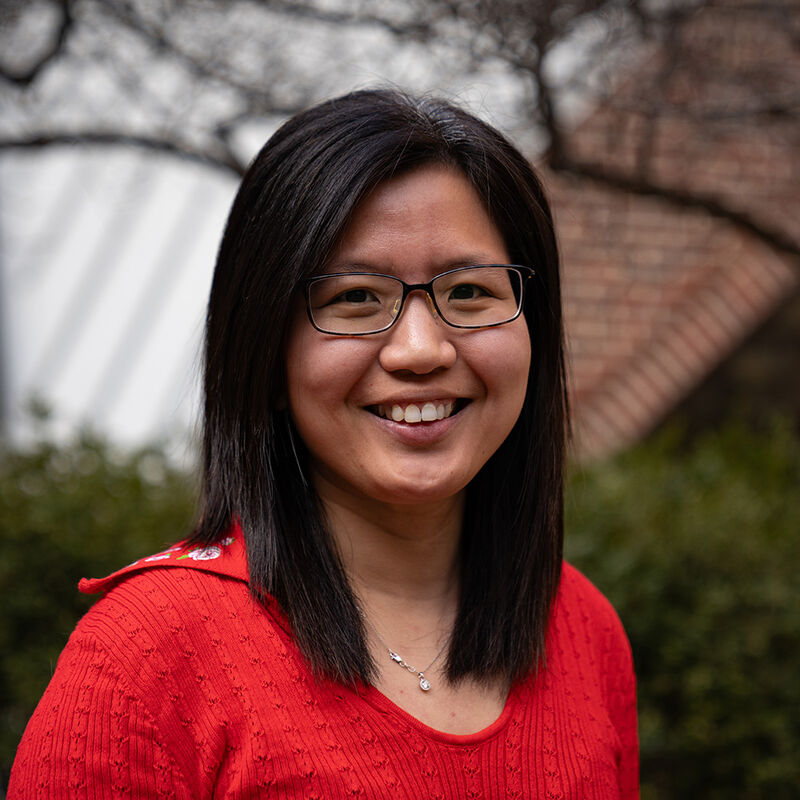
Dr. Sung's primary research interests focus on the role of biopsychosocial factors and community-based interventions in improving school-to-work transition outcomes, career development and psychosocial adjustment for individuals with disabilities. She has authored over 100 publications in the areas of disability justice and rehabilitation, and has received multiple research awards.