
Katrina R. Ellis
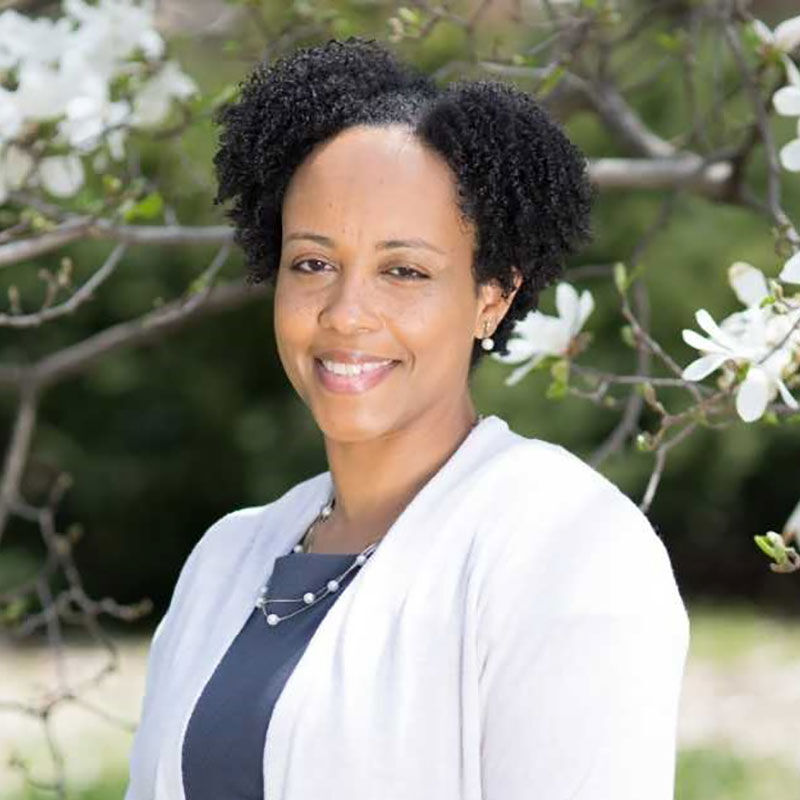
Katrina R. Ellis is an associate professor at the School of Social Work. Her research interests include family health interventions, cancer survivorship, racial and ethnic disparities in health, and family management of chronic health conditions. An overarching goal of her research is to support the health of families facing multiple, coexisting illnesses, with a specific focus on African Americans. Dr. Ellis employs a range of qualitative and quantitative methodologies in her work with families, clinicians and community groups.
Lisa Fedina
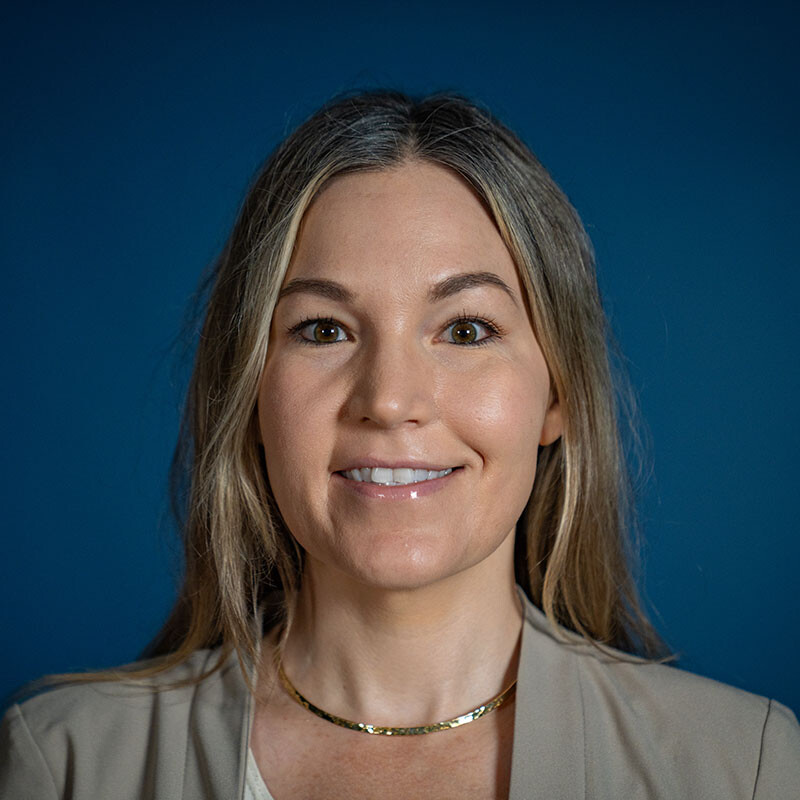
Dr. Lisa Fedina (she/her) is an associate professor at the School of Social Work. Her research investigates the connections between forms of violence across the lifespan (e.g., child maltreatment, intimate partner violence, sexual assault), health and mental health outcomes. Her current studies examine risk and protective factors for campus sexual assault and profiles of victimization and suicide risk among emerging adults.
Terri L. Friedline

Dr. Terri Friedline writes, organizes, and teaches about racial capitalism, technology and the financial system. She is a professor of social work at the University of Michigan and is the author of “Banking on a Revolution: Why Financial Technology Won’t Save a Broken System” (Oxford University Press). Friedline’s writing draws on critical theories and is inspired by abolitionist politics. Her recent writings focus on debt as racialized and gendered violence, credit scoring as a carceral practice and financial technology (“fintech”) as invasive infrastructure.
Karla Goldman
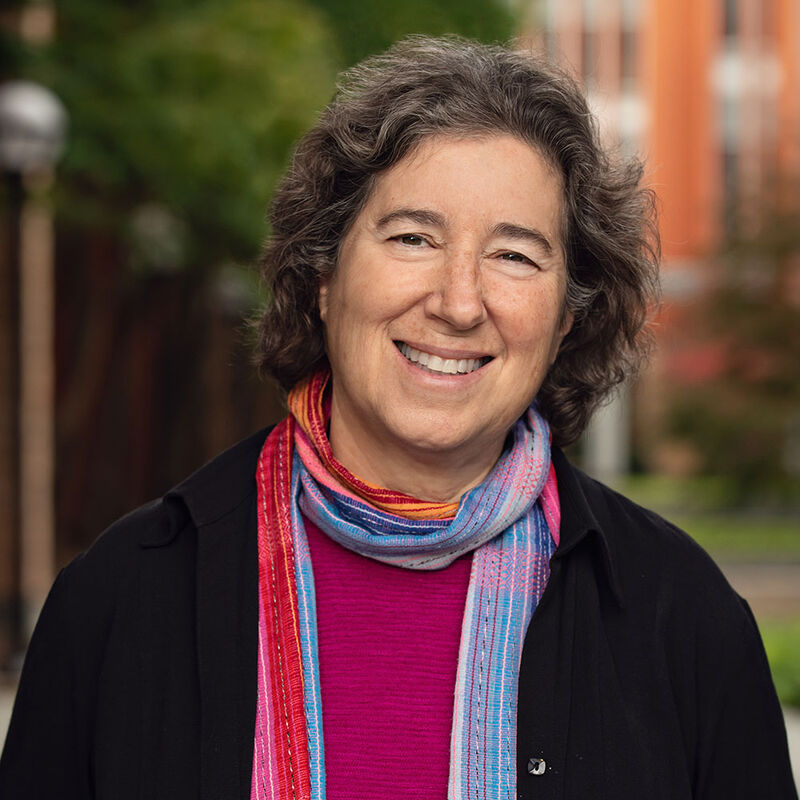
Karla Goldman's research focuses on the history of the American Jewish experience with special attention to the history of American Jewish communities and the evolving roles and contributions of American Jewish women. She directs the University of Michigan Jewish Communal Leadership Program, a collaborative effort between the School of Social Work and the Frankel Center for Judaic Studies.
Odessa Gonzalez Benson
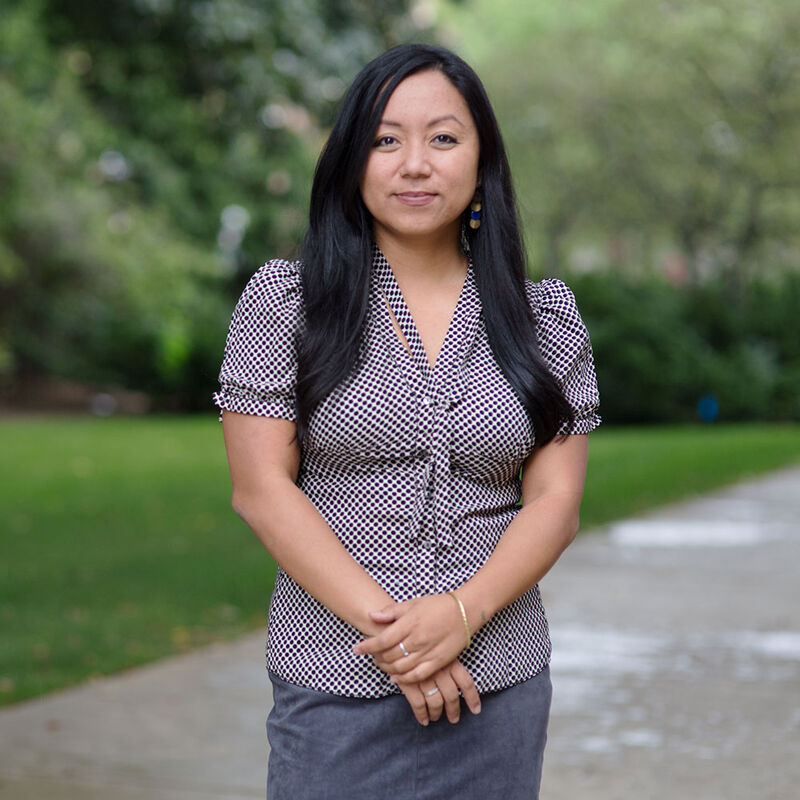
Odessa Gonzalez Benson, PhD, MSW, is an associate professor at the School of Social Work and Taubman College of Architecture and Urban Planning, and a faculty affiliate with the LSA International Institute Center for Southeast Asian Studies. Her areas of research are refugee resettlement, state-civil society relations (regarding migration), labor migration, critical policy studies and epistemic justice and the production of knowledge in social welfare studies and forced migration studies, with three broad aspects to her research.
Andrew (Andy) Grogan-Kaylor
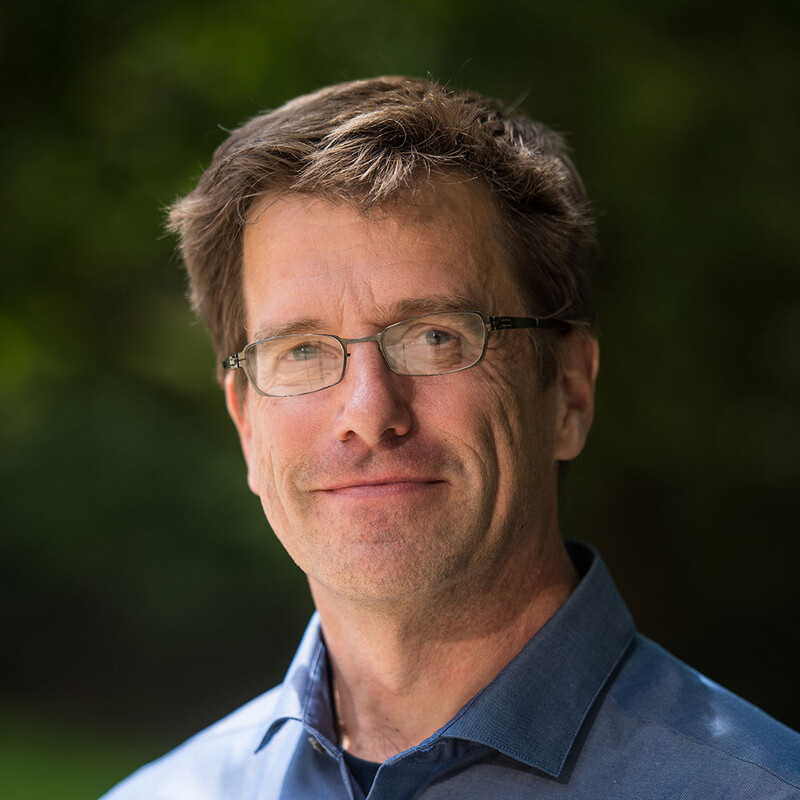
Andrew (Andy) Grogan-Kaylor's research focuses on scientific knowledge development and intervention research with children and families, with the aim of reducing violence against children and improving family and child well-being. Grogan-Kaylor's current research projects examine parenting behaviors such as physical punishment and parental expressions of emotional warmth and support, and their effects on children's aggression, antisocial behavior, anxiety and depression.
Greer Hamilton
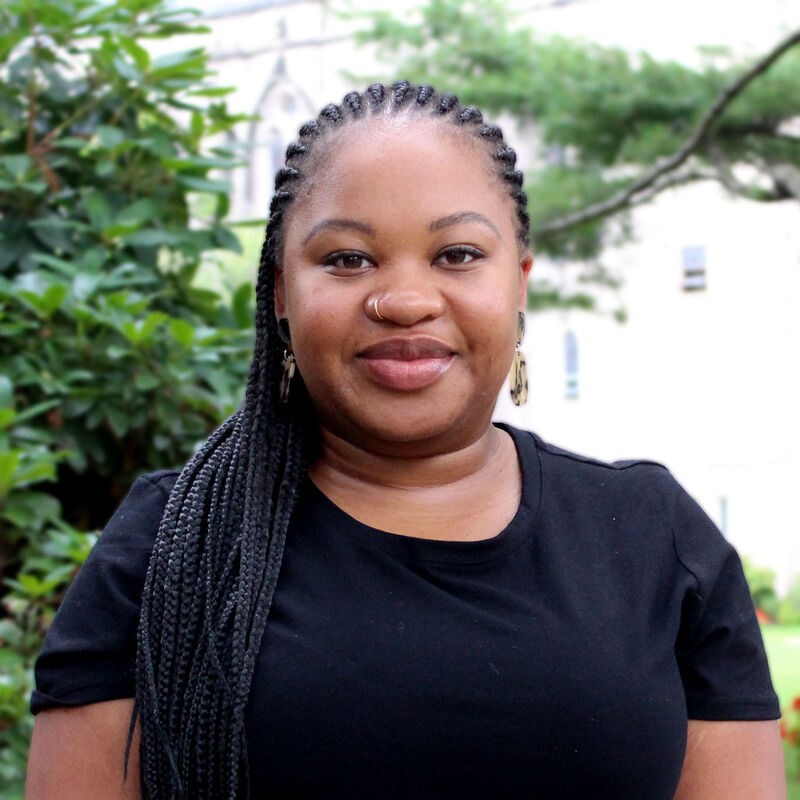
Greer Hamilton (she/her) is an assistant professor at the University of Michigan School of Social Work. As a place-based researcher, her work seeks to examine how systems of oppression are embedded into the built environment and subsequently impact people’s health, well-being and use of public spaces. Her work often uses community-engaged, arts-based and embodied approaches to understand study participants’ experiences with places of meaning (e.g., neighborhoods).
Todd I. Herrenkohl
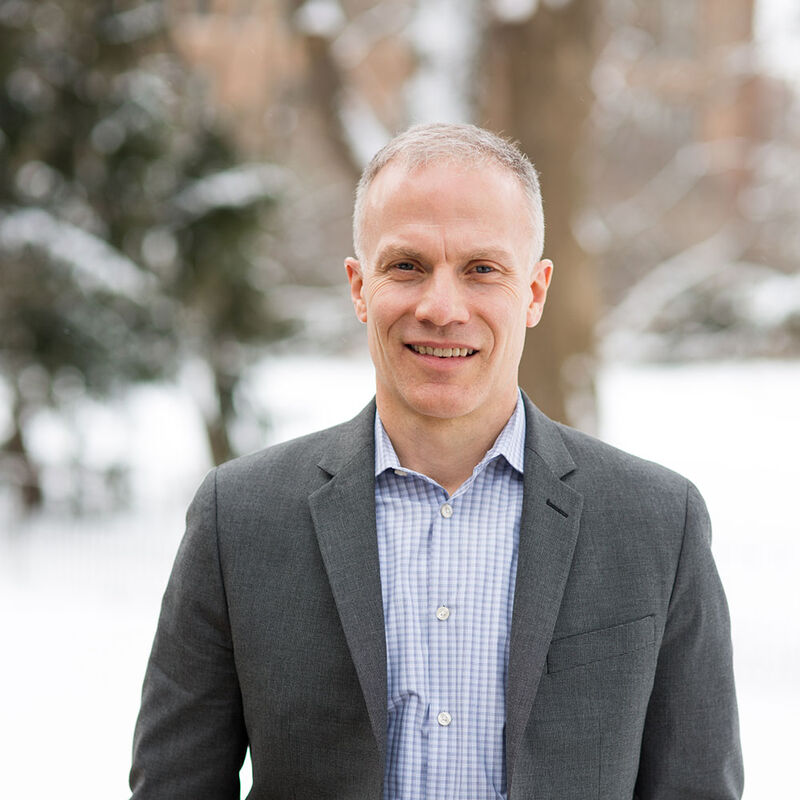
Dr. Herrenkohl’s primary research interests focus on the areas of child and family well-being, child maltreatment and the psychosocial and developmental underpinnings of health-risk behaviors in youth and adults; substance use, mental and physical health outcomes of adversity; and resilience. He has also worked to raise awareness of the causes and consequences of violence in children and families and to promote the use of public health models of primary prevention.
Shanna K. Kattari
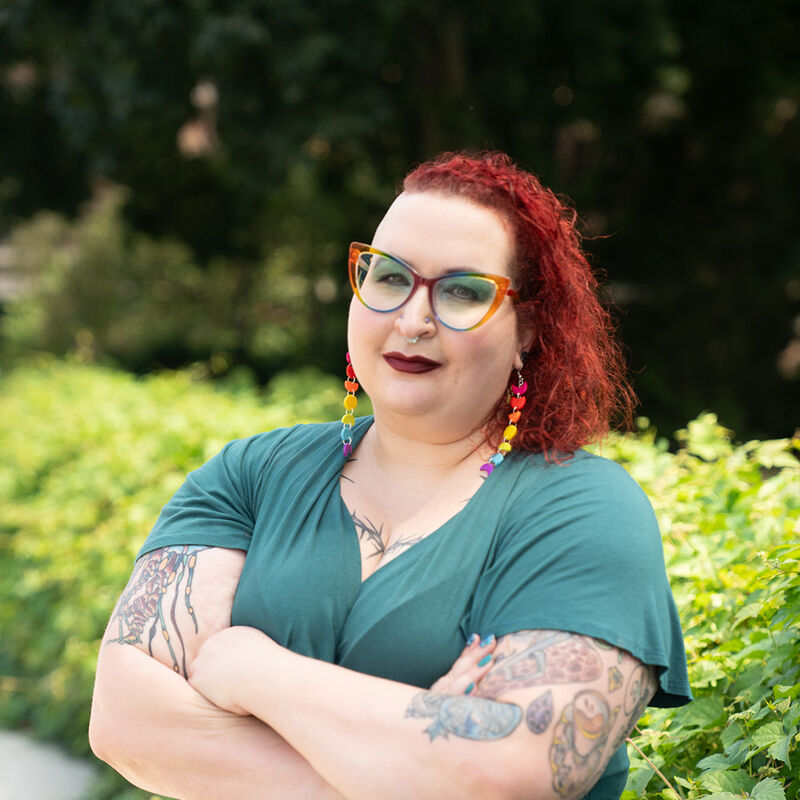
Shanna K. Kattari, PhD, MEd, CSE (they/them/theirs) is an associate professor at the School of Social Work, in the Women’s and Gender Studies Department (by courtesy), and is the director of the [Sexuality|Relationships|Gender] Research Collective. A white, Jewish, nonbinary, disabled, chronically ill, neurodivergent (AuDHD), polyamorous, queer fat Femme, their practice and community background is as a board-certified sexologist, certified sexuality educator and social justice activist.
Ashley Lacombe-Duncan

Dr. Ashley Lacombe-Duncan received her MSW (2010) and PhD (2018) from the Factor-Inwentash Faculty of Social Work at the University of Toronto. Her research focuses on healthcare access and health equity, with a particular focus on healthcare access for people who experience multiple forms of intersecting oppressions.