
Robert Joseph Taylor
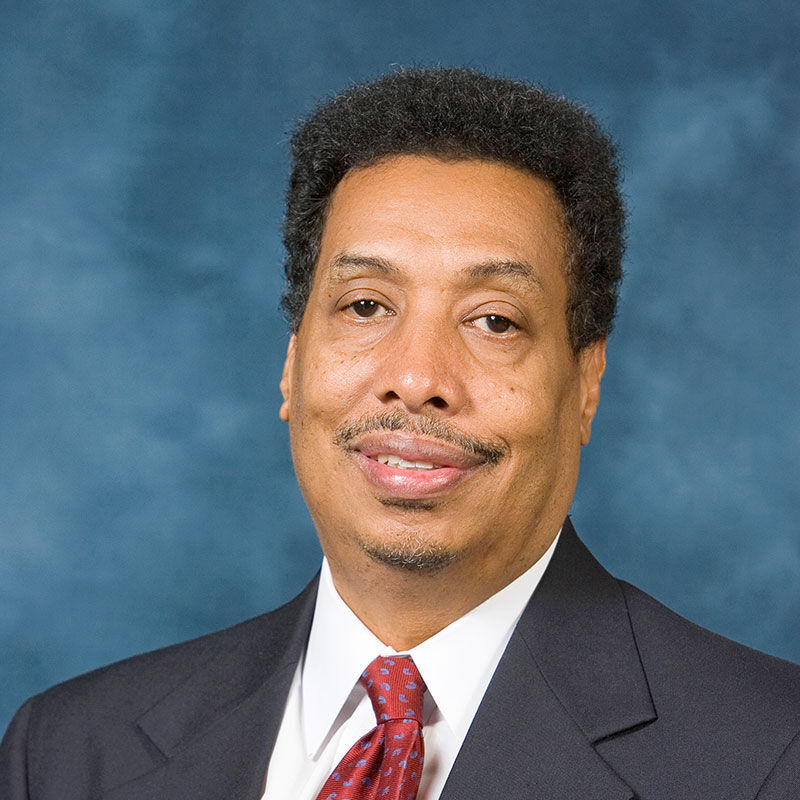
Robert Joseph Taylor is the Harold R. Johnson Endowed Professor of Social Work and the Sheila Feld Collegiate Professor of Social Work. He is also the Director of the Program for Research on Black Americans at the Institute for Social Research. Professor Taylor has published extensively on the informal social support networks (i.e., family, friends, and church members) of adult and elderly Black Americans. An article by Thyer in Journal of Social Service Research finds that Robert Joseph Taylor is the #15 most influential social work faculty (out of 2204 faculty) based on H-index.
Richard M. Tolman

Richard M. Tolman, LMSW, PhD, is a professor at the University of Michigan School of Social Work. He received his doctorate in social welfare from the University of Wisconsin-Madison and his MSW from the University of Michigan. Professor Tolman's work focuses on the effectiveness of interventions designed to change violent and abusive behavior, and the impact of violence on the physical, psychological and economic well-being of victims He began his work in this area as a practitioner working with men who batter in 1980.
Daphne C. Watkins
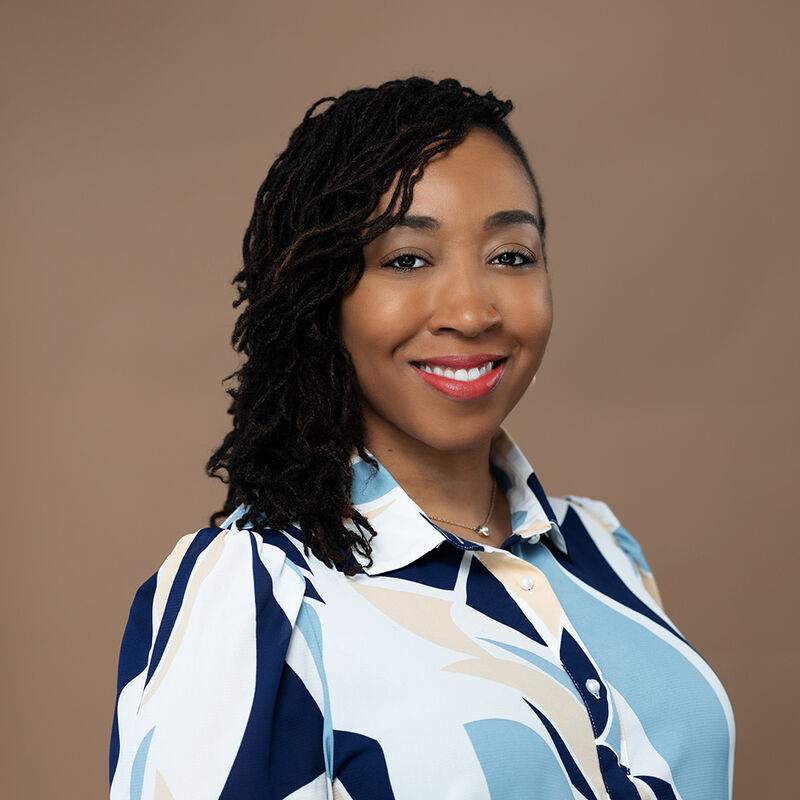
Daphne C. Watkins is a University Diversity and Social Transformation Professor and the Letha A. Chadiha Collegiate Professor of Social Work at the University of Michigan. She specializes in three interconnected areas of expertise: (1) behavioral interventions for historically underrepresented groups; (2) mixed methods approaches to research in context; and (3) social impact leadership and organizational management.
Addie Weaver
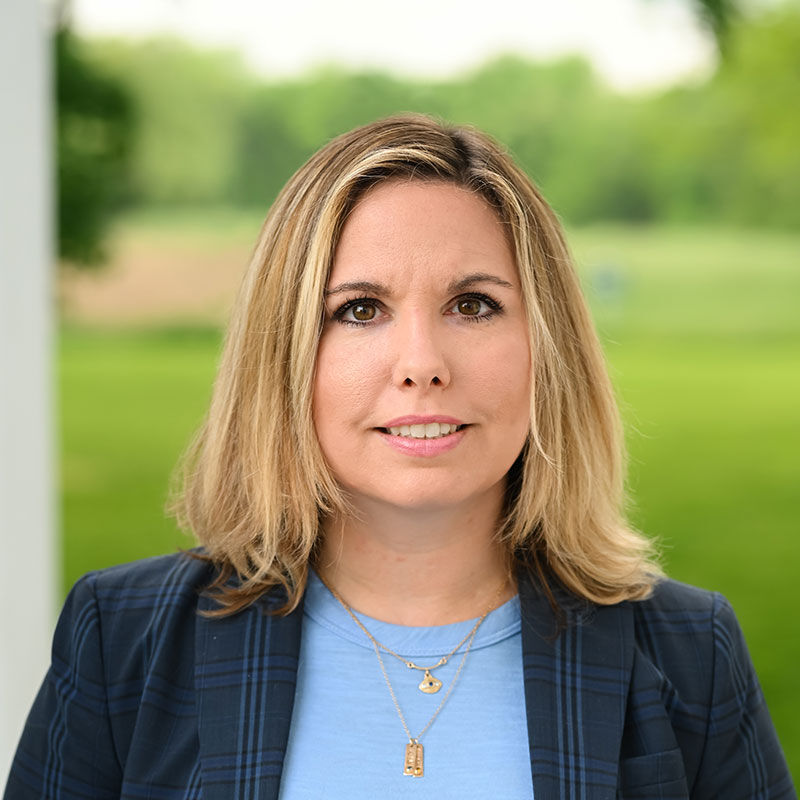
My research aims to increase access to mental health services for underserved, economically disadvantaged individuals and families living in rural communities. As an intervention and services researcher, I seek to develop and test innovative approaches for adapting, translating, and disseminating evidence-based treatment to increase the accessibility, acceptability, and sustainability of mental health care in rural communities.
Lisa M. Wexler

Building from resources within rural and Alaska Native and American Indian communities, schools and families, Wexler’s participatory research identifies strengths, practical systems and protective factors to prevent suicide and reduce harms from substance use. Instead of orienting primarily toward professional solutions as many suicide prevention and behavioral health programs do, her work strengthens social care and relationships.
Xiaoling Xiang
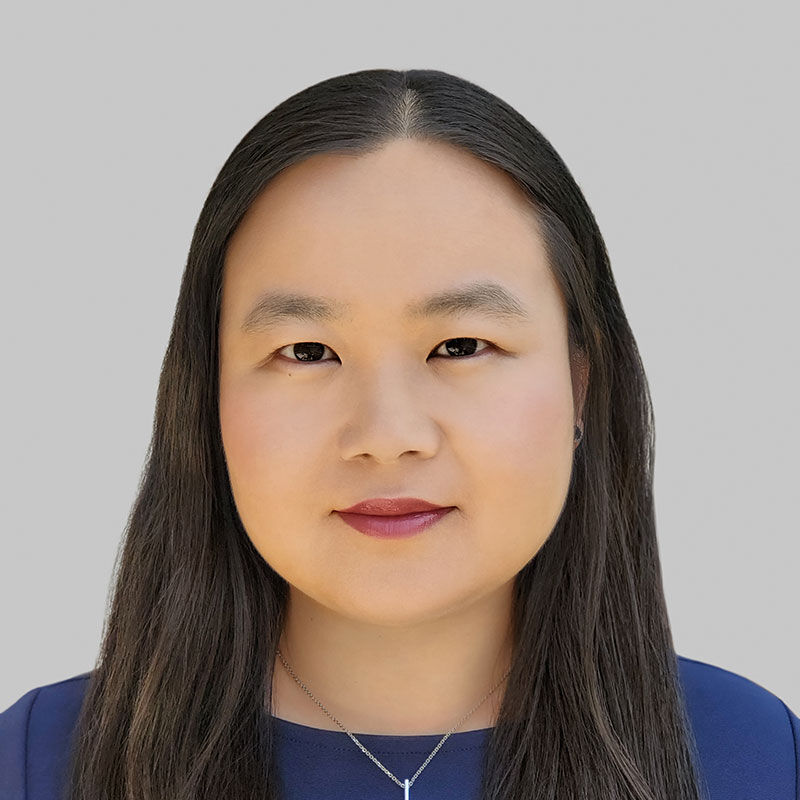
Dr. Xiang’s research is dedicated to enhancing the health and well-being of older adults, aiming for a state of complete physical, mental and social wellness. Her work spans two primary areas: fundamental social science research and applied intervention research.
Nari Yoo
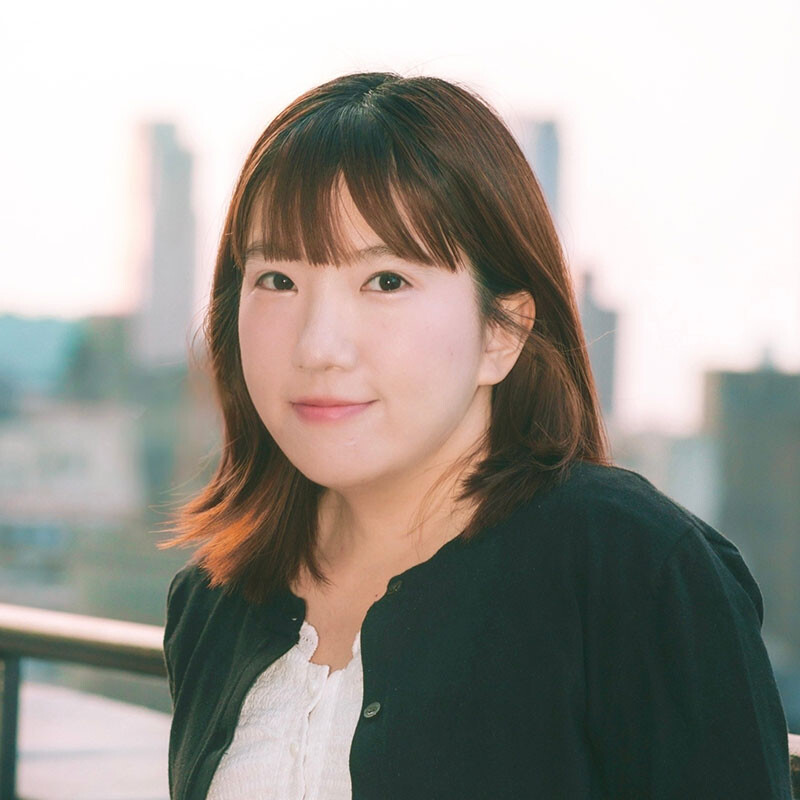
Nari Yoo, PhD, is an assistant professor at the School of Social Work and a scholar in the NIH-funded Michigan Program for Advancing Cultural Transformation (M-PACT). She studies well-being and service use among immigrant and refugee, racial and ethnic minority, and linguistic minority populations, and how digital technology is reshaping access, delivery and implementation of care for these groups.
Mieko Yoshihama

Professor Yoshihama's research interests are violence against women, immigrants, mental health, and community organizing. Combining research and social action at local, state, national, and international levels over the last 25 years, Dr. Yoshihama focuses on the prevention of gender-based violence and promotion of the safety and wellbeing of marginalized populations and communities. Dr. Yoshihama’s research in both the U.S.
Bradley J. Zebrack

Dr. Brad Zebrack's research and teaching interests are in the areas of health, psychosocial oncology, medical social work and health service delivery. His research on quality of life and cancer survivorship over the past 25 years has been supported by the National Cancer Institute (K07, R03, R01), the Patient-Centered Outcomes Research Institute (PCORI), and HopeLab Inc.