
Katie Lopez
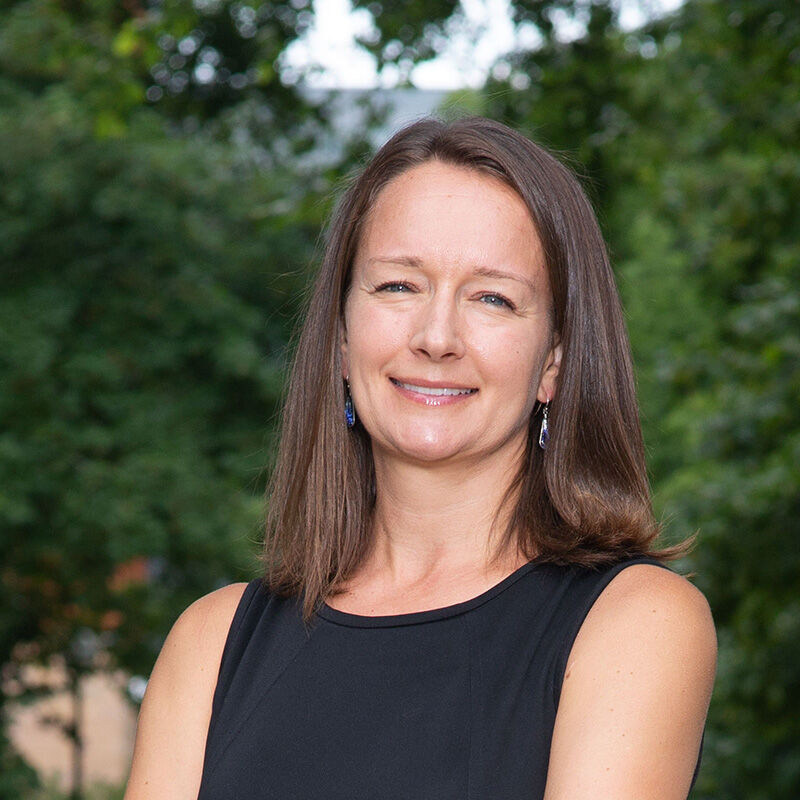
Dr. Katie Lopez is an adjunct clinical associate professor and director of the Office of Global Activities at the School of Social Work. She leads the administration office, which includes managing study abroad opportunities for students, international institutional partnerships, scholarship and grant opportunities, programming to support international degree-seeking students, and the exchange visitor program. As a licensed social worker, she serves as field faculty for MSW students completing placements outside the U.S.
Patrick J. Meehan

Patrick Meehan, MSW 2011, has over five year’s experience evaluating youth programs in Chicago and Detroit, including programs on early language acquisition, health and nutrition, and youth employment. His expertise centers primarily on conceptually mapping evaluation outcomes, developing instruments to test for desired outcomes, and managing and analyzing data.
Rosalva Osorio Cooksy
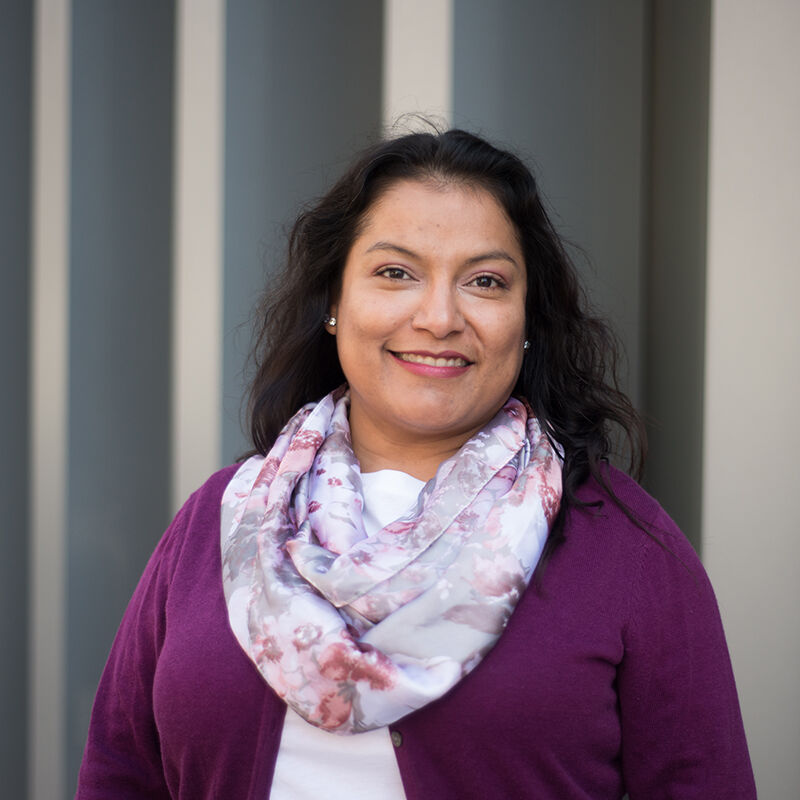
Rosalva Osorio joined the Office of Field Education as a field faculty and lecturer on December 9, 2019. They received a BA in sociology in 2004 and a Master of Social Work with a concentration in Community Organization and a minor in Interpersonal Practice in 2006, from the University of Michigan. They have worked in non-profit organizations in the Detroit area for the past 13 years.
Daicia R. Price
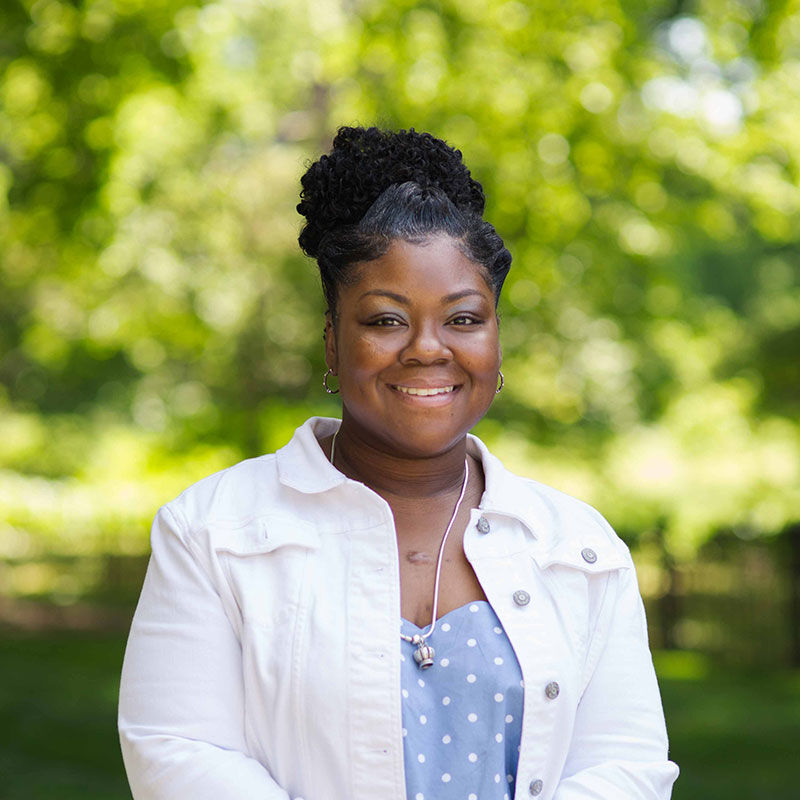
Dr. Daicia Price is a clinical associate professor of social work at the U-Michigan School of Social Work, where she teaches in the Interpersonal Practice in Integrated Health, Mental Health, and Substance Abuse pathway and leads specialized training programs. As the director of FLOURISH, she fosters leadership, engages in outreach, and promotes understanding, resiliency, innovation, support,and hope — aligning with the mission of reaching out, raising hope,and changing society.
Leigh Rauk
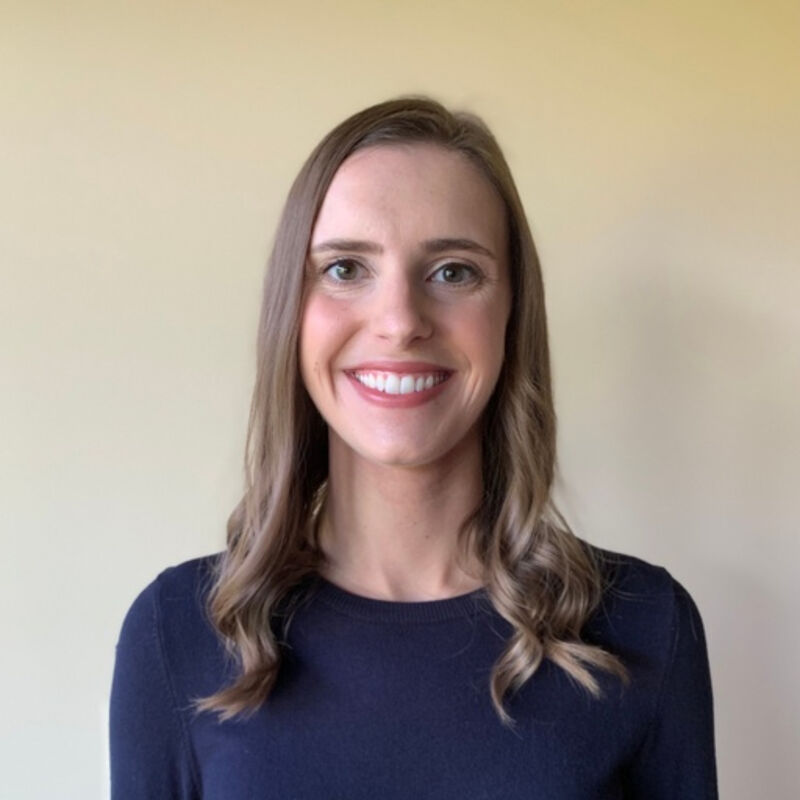
Dr. Leigh Rauk is an assistant research scientist with the Program Evaluation Group (PEG). She specializes in participatory and collaborative approaches to community-based research and evaluation with a utilization focus. She received her PhD in Community Well-Being from the University of Miami in 2021. In 2022, Rauk completed a postdoctoral fellowship at the U-M Institute for Firearm Injury Prevention, where her research focused on the intersections of school safety and firearm violence.
Julie M. Ribaudo

Julie Ribaudo, PhD, LMSW, is a Clinical Professor of Social Work at the University of Michigan. Her career has primarily focused on parent-infant and early childhood relational health. Before joining U-M in 2006, she worked across a range of community-based settings, including mental health, education,and child welfare.
Monica D. Sampson

Monica Sampson, MSW ’00, is a clinical faculty member of the School of Social Work, where she teaches MSW courses across both macro and micro pathways. With over 31 years of experience as a clinical and macro social worker, Sampson has dedicated her career to working with vulnerable children, youth, families and communities. Her teaching emphasizes diversity, equity and inclusion, grounding all content in an anti-racist, social justice framework that highlights the core principles of power, oppression, intersecting social identities and structural privilege and marginalization.
Sue Ann Savas

Sue Ann Savas is a Clinical Associate Professor at the University of Michigan School of Social Work. She received her MSW and BA in economics from the University of Michigan. For the past 20 years, Sue Ann practiced as a program evaluator. She specializes in the areas of program design, logic modeling, evaluation planning, implementation evaluations, outcome measurement, and reporting for continuous quality improvement. She uses an interdisciplinary approach, collaborating with providers from the fields of social work, public health, environmental health, and education.
Beth A. Sherman
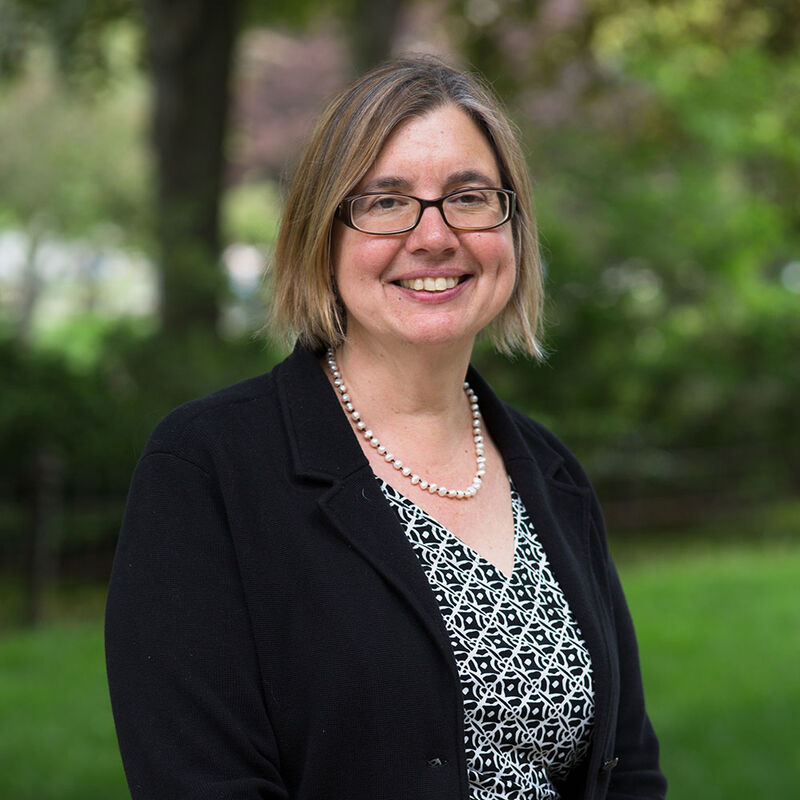
Beth Sherman received her MSW and BA in psychology from the University of Michigan and completed two years of undergraduate work at Oberlin College. Ms. Sherman specializes in the area of social work practice with children and youth. As an outpatient therapist, clinical supervisor, prevention program developer, and school social worker, she has provided social work services within multiple mental health, educational, and child welfare arenas.