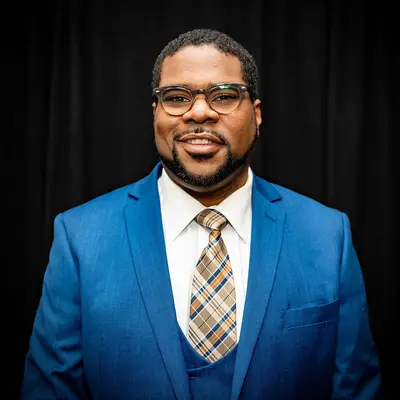
Critical Justice: What It Is and How to Do It
Thursday, May 14, 2026
12 - 3 PM ET
School of Social Work and Livestreamed
Free CE provided to those attending in person only
Complimentary lunch will be provided at 12 PM. The free CE event will begin promptly at 1 PM. Participants must be present in person to receive CE.
About the Critical Justice Fund
The Critical Justice Fund was established by Beth Glover Reed, Associate Professor Emerita of Social Work and Associate Professor Emerita of Women's and Gender Studies. The goals of the fund are to promote critical justice practice and stronger community engagement towards these goals.
Presenters
Beth Glover Reed, M.A., PhD
Associate Professor Emerita of Social Work
Associate Professor Emerita of Women’s and Gender Studies
University of Michigan
Beth Glover Reed (she/her), MA, Ph.D. is an emerita faculty member at the University of Michigan School of Social Work (UM-SSW) and Department of Women’s and Gender Studies. She has taught courses in theorizing for change and social change; justice, power and diversity; prevention; methods for micro and macro practice, most recently on community change. Central themes of her work are a) the impact of gender, race, ethnicity, and other status characteristics, using intersectionality and critical theory frameworks, on and within social systems of various sizes and types, and b) using multiple methods of change, services and participatory action research, and program evaluations to promote social justice and community building, and prevent social and individual problems. Some key foci include alcohol/other drug abuse/use (AOD), mental health, health, trauma, housing, gender-based/intimate partner violence (IPV), and intersectionality issues in groupwork and education/teaching. She was very involved in identifying a) critical/intersectional justice knowledge components and practice capacities as part of curricular change work at the UM-SSW, and b) steps and strategies for implementing these in different stages and types of social work practice and work for change towards justice.
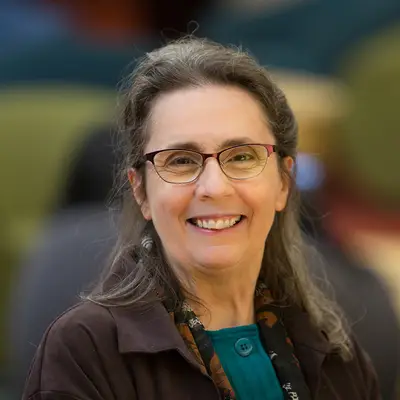
T. Louise, LMSW
Therapist, Intersectional Insight PLLC
T. Louise (they/them), LMSW, is a Queer Transgender Non-Binary individual and the founder of Intersectional Insight, PLLC. With a deep understanding of the painful impacts of neurodivergence, cultural disruption, social injustice, and intergenerational trauma, T. is committed to fostering meaningful change in mental health services. T. holds a Master of Social Work from the University of Michigan and a dual Bachelor of Science in Psychology and Women’s & Gender Studies from Grand Valley State University. They have received numerous awards, including the Indian Health Services Area Director’s Award for excellence in Behavioral Healthcare and Recovery. With extensive experience in clinical social work, T. has held various roles, including as a lecturer at the University of Michigan’s School of Social Work. With a passion for intersectionality and social justice, T. strives to ensure that all voices are heard and valued in the pursuit of systemic reform.

Justin Hodge, LMSW
Clinical Associate Professor of Social Work
University of Michigan School of Social Work
County Commissioner, Washtenaw County, MI
Justin Hodge, LMSW, is a Clinical Associate Professor of Social Work at the University of Michigan. He is the faculty lead for the Policy & Political Social Work Pathway and the director of the Online Certificate in Political Social Work. Hodge is committed to increasing the presence of social workers in policy and political spaces. He teaches courses that provide students with the tools to engage in politics and approach policy work from a social justice perspective. Hodge was elected to the Washtenaw County Board of Commissioners in November 2020. As a county commissioner, he brings his social work perspective to addressing the most pressing problems facing Washtenaw County. Hodge has a particular focus on addressing inequities in the county and promoting economic opportunity. In 2021, Hodge was appointed by Governor Whitmer to the Commission on Community Action & Economic Opportunity, where he is able to lend his expertise at the state level. In previous roles, he provided therapy to children and families, case management to individuals with developmental disabilities and has coordinated clinics for children in crisis.
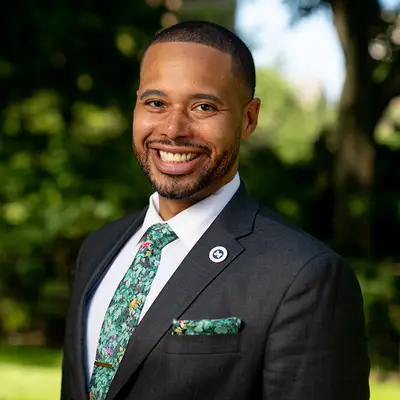
Mary Mattson, LMSW
Managing Partner, Emergence Collective
Mary Mattson (she/her), LMSW, is a Managing Partner at the Emergence Collective. Mary’s experience and passion lie at the intersection of evaluation and strategy. She brings a systems approach to the work, peeling back the layers of connection between culture, organizational development, and evaluation. Over her seven years at Emergence Collective she has led a wide range of work including large evaluation strategy projects and community-driven evaluation processes. Mary is deeply embedded in the Detroit community as a resident and a professional. She received her Masters in Social Work from the University of Michigan as a scholar in the Community Based Initiative in Detroit. Mary also has over six years’ experience as a professional athlete and Division I collegiate coach. She is passionate about building effective teams, and pulls her extensive athletic experience into her work with organizations.
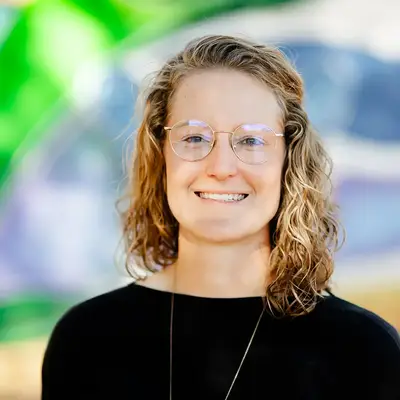
Ramona Perry, MSW, M.A., PhD
Managing Partner, Emergence Collective
Dr. Ramona Perry (she/her), MSW, MA, PhD - is a macro social worker, social psychologist, educator, and researcher passionate about connecting our understanding of the human experience with the design, evaluation, and dissemination of programs and knowledge. She has built expertise across diverse professional contexts, from strategic television program planning at NBC Universal to research and evaluation at Mathematica Policy Research, and through teaching and mentoring in research intensives, pipeline programs, and adjunct instruction at the collegiate level.
She has deep expertise in data analysis, management, and dissemination, both orally (through storytelling and presentations) and in published literature. As a woman of color, she brings lived experience and a commitment to equity to her work, guiding teams and programs to center inclusive practices while producing rigorous, impactful outcomes. Her expertise spans program evaluation, data analysis and dissemination, and translating evidence into practice, making her a trusted leader in connecting research, human experience, and real-world solutions

Osvaldo “Ozzie” Rivera, LMSW
Leo Lecturer II
University of Michigan School of Social Work
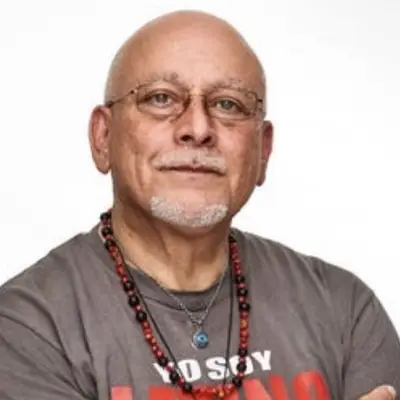
Osvaldo “Ozzie” Rivera, LMSW, was born in Puerto Rico and lived in southwest Detroit most of his life. For over five decades, he has been active in community advocacy and human services. Among a range of community and management experiences Ozzie served as CEO of Latino Family Services, Director of Community Engagement at Southwest Solutions and Mental Health Director at ACCESS, all in the Detroit area. Involved in arts and cultural activism since his teen years, he currently teaches at Wayne State University on Afro Latino History and Culture in the U.S. and at the University of Michigan’s School of Social Work on Community Organizing and Diversity. He writes a column covering oral history topics and current affairs, Pensamientos y Recuerdos, for the southwest Detroit community newspaper, El Central, and was one of the co-founders of VOCES: Southwest Detroit Oral History Project.
Charles E. Williams II, MSW, M.A.
Pastor, Historic King Solomon Baptist Church | Detroit, MI
Michigan Chair, National Action Network
Charles E. Williams II, MSW, MA is the Pastor of the Historic King Solomon Baptist Church in Detroit, and nationally recognized pastor, scholar and civil rights leader who bridges the Black church, public policy, social justice, and public health to advance equity in underserved communities. Born in Detroit, Michigan and raised in Birmingham, Alabama, Rev. Williams embodies the grit of Midwest Organizing and the grace of Southern values. His work incorporates faith-based organizing, public scholarship, and community-based research. He began activist work at Eastern Michigan University, has been involved in organizing political campaigns, and was mentored by a number of civil rights icons. He has just finished a joint doctorate in Social Work and Sociology at the UM, where is research critically examines the role of the Black church in addressing health disparities, vaccine equity, social safety net access, and Black men’s mental health. His work is grounded in DuBoisian sociology and community based participatory research (CBPR).