
Bradley Zebrack
1) Health services research, including social work service delivery in medical care settings; 2) Cancer health outcomes and disparities; 3) Best practices for achieving health equity.
Terri Friedline
Critical scholarly inquiries of finance and technology are important for understanding and ameliorating the harms of racial capitalism. People increasingly rely on debt to afford everyday expenses. Banks use algorithms to automate lending decisions. Digital technologies replicate in virtual spaces the racist redlining observed in physical ones. It is within this context that my scholarship focuses on racial capitalism, technology, and the financial system. I draw on critical and abolitionist theories and deploy a range of qualitative and quantitative methodologies to study banks as racialized and gendered organizations, debt as predatory violence, and financial technologies or “fintech” as invasive digital infrastructure. These inquiries are a foundation for understanding and, eventually, repairing the harms of racial capitalism experienced by people and communities
Lindsay Bornheimer
Dr. Lindsay Bornheimer's research program focuses on understanding and preventing suicide death among adults experiencing serious mental illness, with a specific focus on psychosis and schizophrenia. Her work aims to examine suicide risk and protective factors, advance theories of suicide, develop and test behavioral interventions, and increase the utility and scalability of evidence-informed interventions in mental health care. As an intervention and implementation science researcher by training with expertise in cognitive behavioral therapy, she is particularly active in leading studies focused on the adaptation and implementation of cognitive-behavioral approaches in the treatment of serious mental illness and suicide prevention.
Lisa Fedina
My scholarship focuses on the social, economic, and health consequences of gender-based violence (i.e., intimate partner violence, sexual violence). I have extensive experience collecting and integrating survey data through researcher and practitioner-partnerships in both U.S. and international settings. This work includes the investigation of structural factors contributing to inequities in violence and health among young people and improving institutional responses to violence and harm.
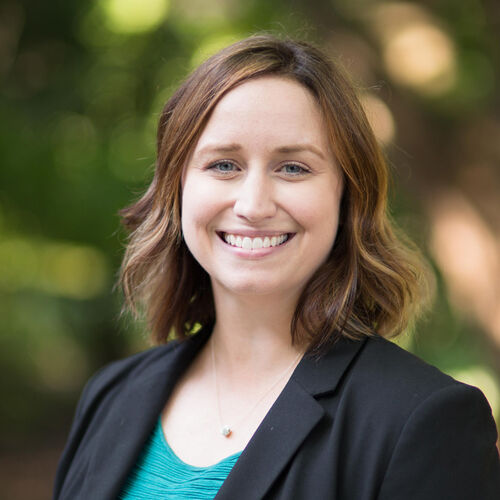
Katie Maguire-Jack
Dr. Maguire-Jack studies macro-level risk and protective factors for child maltreatment, including neighborhoods and public policies. She also conducts rigorous evaluation of child maltreatment prevention strategies. Read more about the work from Dr. Maguire-Jack and her students at childmaltreatmentpreventionlab.com.
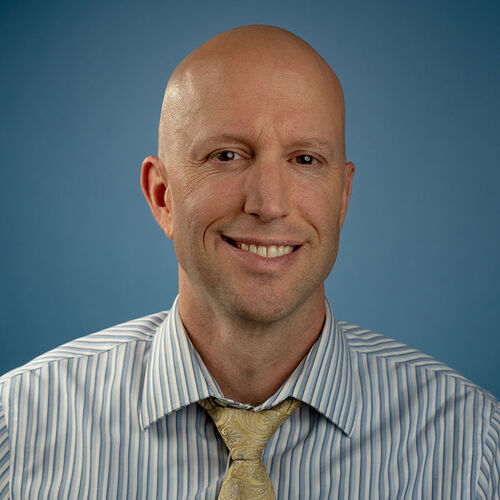
Matthew Smith
Dr. Smith’s federally funded research program evaluates technology-based interventions that support employment accessibility for autistic youth and adults with autism, adults with schizophrenia, and individuals who are justice-involved or system-impacted.
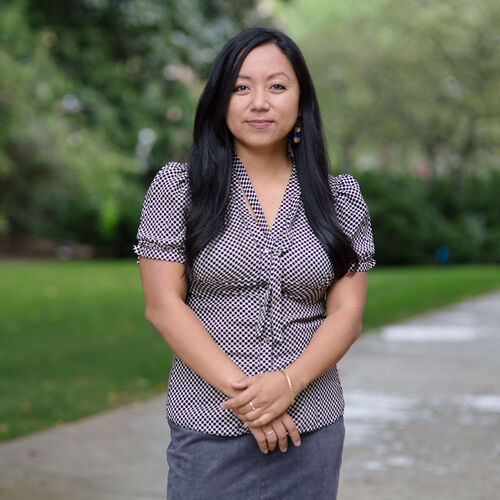
Odessa Gonzalez-Benson
Her areas of research are refugee resettlement, grassroots organizations, participatory practice, state-civil society relations and critical policy studies, with three broad aspects to her research. First, she contributes to knowledge about grassroots organizations, particularly refugee-run community organizations (RCOs), aiming to inform participatory approaches to social work practice and urban governance. For instance, her studies have examined RCOs' crisis response during the COVID-19 pandemic, participation in urban governance, community health practices and role in resettlement practices. As part of her Just Futures Action Research Lab, she leads her research team in capacity building and technical assistance for RCOs in Grand Rapids, Michigan. Second, in her critical policy studies, she examines various aspects of U.S. refugee policy, including refugee placement strategies, work policies and neoliberal discourse, using varied methodological approaches, from quantitative analyses of federal data to discourse analyses of historical text. Finally, Gonzalez Benson conducts critical theoretical inquiry about forced migration and social work practice with refugees, with work on state violence, active strategies in policy research and migrant ontologies, for example.
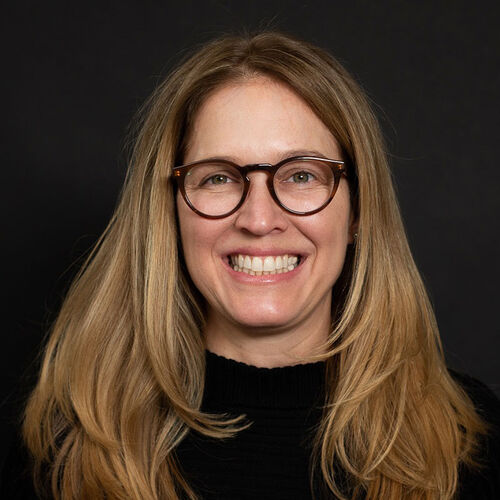
Shawna Lee
Dr. Shawna J. Lee's research is focused on child maltreatment, fathers' parenting behaviors, father-child relationships, parenting stress and family functioning, and parental discipline. Recently, Dr. Lee led the Parenting and Stress during the Coronavirus Pandemic study, which surveyed American parents at three time points as families adjusted to the initial pandemic shutdown. Other recent research uses the Building Strong Families study to examine the family transactional processes related to father involvement and child wellbeing in low-income families.
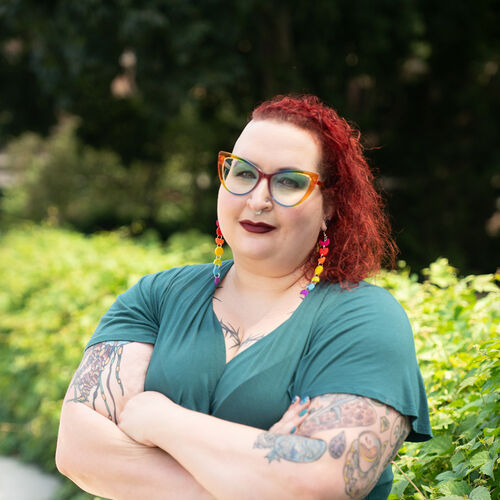
Shanna Kattari
Kattari’s multi-methodological and community engaged research focuses on three areas that often overlap: disability and ableism (including neurodivergence, Mad studies, and disability justice), sexuality and sexual health (including reproductive justice), and queer and trans affirming practice (in behavioral, physical, and sexual health spaces).
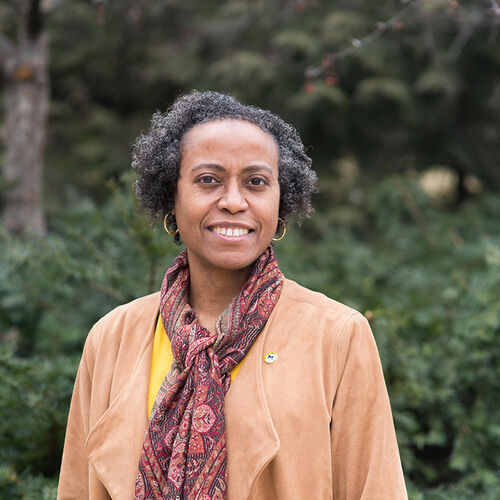
Trina Shanks
Dr. Shanks’ research interests include the impact of poverty and wealth on child well-being; asset-building policy and practice across the life cycle; and community and economic development. As Director of the Center for Equitable Family and Community Well-Being, she continues ongoing research and intentionally seeks and responds to new opportunities that will empower families and communities to thrive. She has many active partnerships in the city of Detroit and at the local level focuses on workforce development and affordable housing.
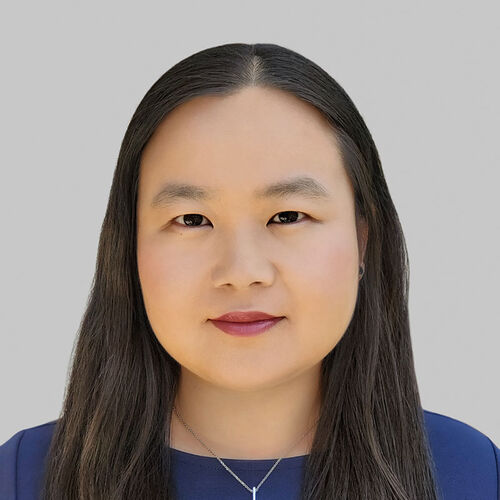
Xiaoling Xiang
Dr. Xiang specializes in research aimed at improving the health and well-being of older adults, with a focus on digital mental health interventions and the interplay between physical functioning, mental health, and cognition. She leads projects that utilize advanced statistical methods and innovative approaches, such as artificial intelligence, to address key issues in aging. Dr. Xiang welcomes PhD students interested in these areas, offering mentorship in both fundamental social science research and applied intervention studies.
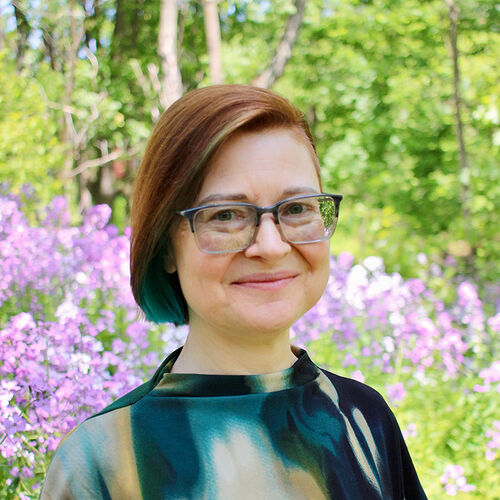
Candace Christensen
Christensen’s research consists of a critical feminist approach to community engaged, qualitative and arts-based research methodologies that prevent and respond to gendered, racial and anti-LGBTQ+ violence. Their recent work focuses on queer and trans youth development, specifically how organizations can foster joy, a sense of belonging and mutual empowerment for youth. Another key focus is using Photovoice for evaluation, as an intervention, and as a tool for educating social work students. Christensen also has experience using theatre of the oppressed to construct sexual violence prevention interventions.
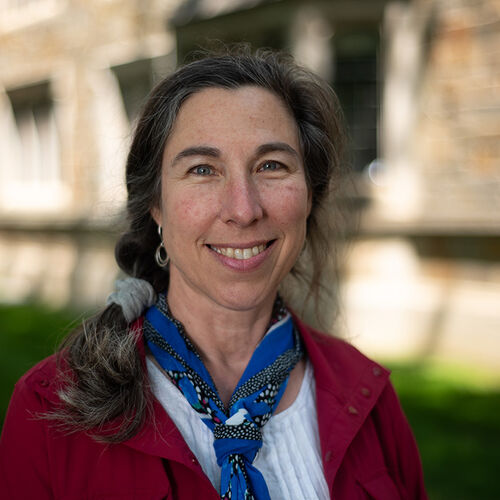
Lisa Wexler
Building on cultural resources and strong social ties within Indigenous communities, Lisa Wexler's participatory research works with Indigenous families, schools and other community institutions to mobilize and leverage social connections to reduce suicide risk, promote safety, and support mental wellness in people's daily lives.
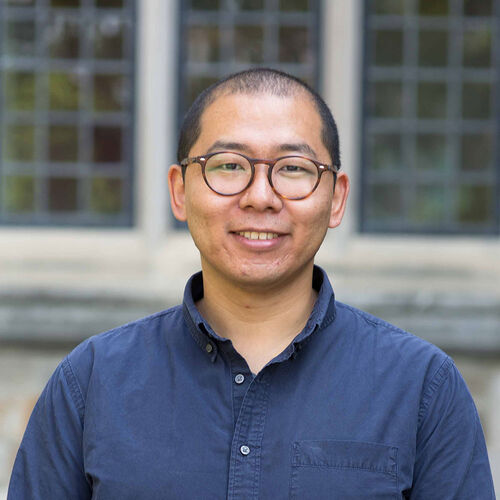
Sunggeun (Ethan) Park
Park is an organizational scholar with an overarching research question, 'How can health and social service organizations provide more responsive and effective services?" He is deeply interested in (1) how to ensure users' meaningful representation opportunities in service and policy decision-making processes and (2) how intra/inter-organizational collaborations and macro-level measures influence organizational behaviors and shape the experience of vulnerable service users. As a scholar using the organization as a main unit of analysis, Park's study spans multiple fields, including but not limited to substance use disorder treatment centers, community-based organizations in South Side Chicago, child and youth-serving organizations, homeless-serving regional networks, and HIV prevention service providers.
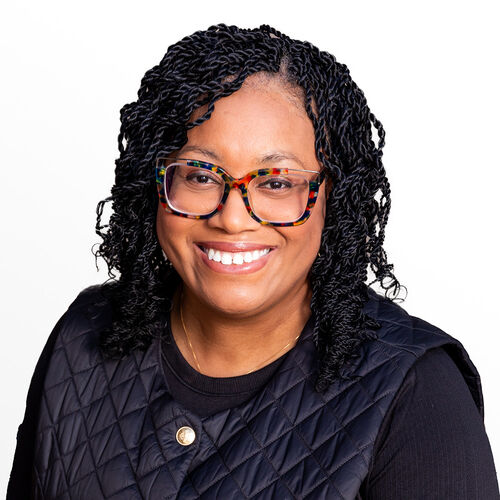
Jamie Mitchell
For the past several years I have been funded by the National Institute on Aging to help create research infrastructure for Black older adults in Flint and Detroit, MI to participate in NIH-aligned aging research. I have helped to establish community advisory boards and community research registries from which local investigators can sample to diversify their scientific endeavors. We also host free public community health education and health screening events, give local and national presentations on best practices for community-engaged research with Black older adults, and collaborate with several academic and community partners. My research team (and agenda) is now transitioning to developing community-engaged curriculum for Alzheimer's disease and related dementias as well as making cognitive screening and health communication strategies freely available in Flint and Detroit.

Rebeccah Sokol
I am a publicly engaged scientist dedicated to improving youth safety. My research program predominantly has contributed to 1) preventing youth firearm injuries; 2) and, developing and evaluating programs to identify and meet families’ material needs.
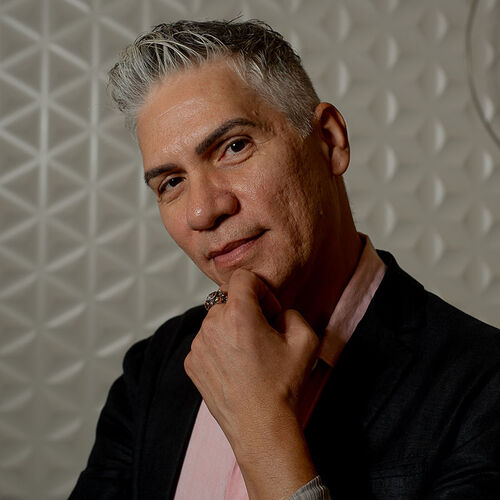
Rogerio Pinto
I am an expert in intervention and implementation science. Funded by NIH and other sources, I conduct community-based participatory research to develop individual and structural level interventions that use art forms to help raise awareness and inspire action to dismantle racism, xenophobia, sexism, heterosexism, classism, and ageism. My art work centers around my autoethnographic writings, including poetry and dramatic writing. I create and perform my own theatrical and installation performance work in collaboration with experts in dramaturgy, videography, visual art, stage design, and others. The finished installations integrate sculpture, video, photography, fashion design and other media to embody and convey social justice and healing messages.
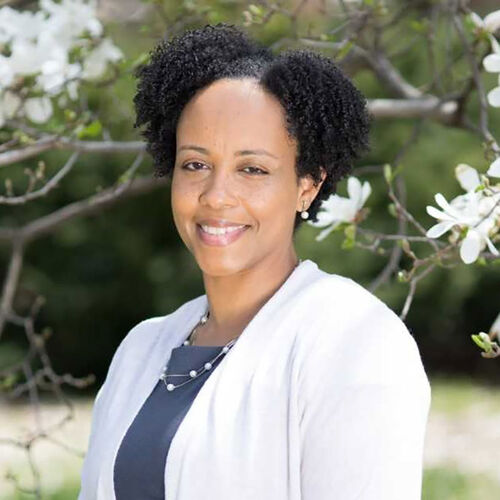
Katrina Ellis
My program of research on focuses cancer and caregiving, with a specific focus on African Americans. First, my work examines the interdependence of individual and familial aspects of drawing needed attention to the experiences of care amid the competing health concerns of individuals with cancer (i.e., patient comorbidities) and the chronic conditions of their family members (i.e., family comorbidity). Second, my research spans the cancer continuum from etiology (e.g., genetic factors, health behaviors) through survivorship (e.g., coping, health promotion). Third, I have ongoing efforts to systematically develop health promotion and cancer and chronic disease management programs families that reflect a commitment to racial health equity and use of rigorous methods to improve health outcomes, particularly among African Americans.
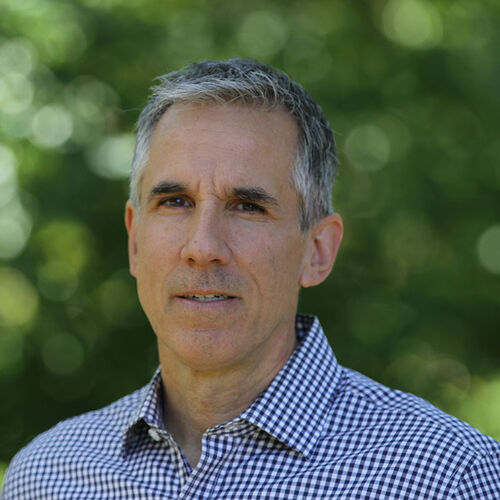
Brian Perron
My current research focuses on using AI technologies for advancing research with administrative data systems. I am specifically interested in using local / open source large language models for developing decision support systems and applying natural language processing to extract/structure/analyze vase collections of unstructured data (e.g., social worker notes, investigation summaries).
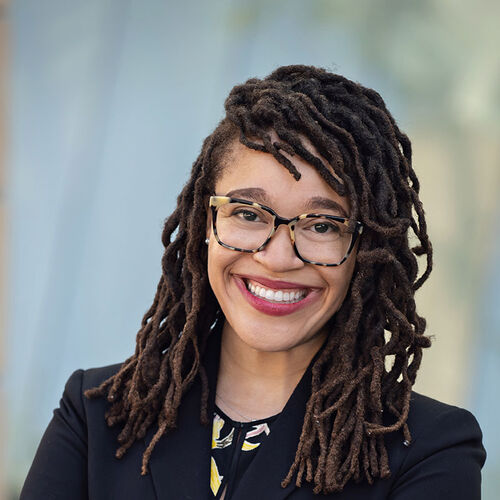
Ashley Cureton
My research identifies culturally relevant specific interventions, programs, and policies to improve the educational, socio-emotional, and environmental factors/outcomes of refugee and migrant youth and their families in the U.S. and abroad. By engaging in community-based participatory research, I am interested in the role of institutions (e.g., refugee-led organizations, schools, resettlement agencies)in supporting the distinct needs to these vulnerable groups. My research builds on over a decade of research and practice collaborating with refugee and migrant populations in global contexts such as Uganda, Zambia, South Africa, Lebanon, Jordan, Turkey, and India.
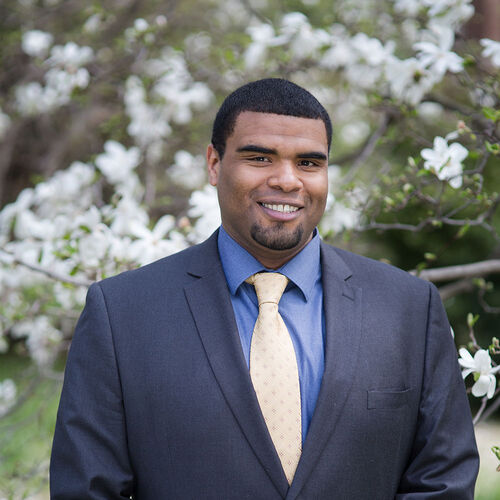
James Ellis
My research program examines the degree to which intersections of racial harm, affirming interactions (i.e., microaffirmations), engagement in postsecondary pathway interventions, and psychosocial factors (e.g., social support, mental health, social-emotional health), influence successful college transition experiences of FGCS and students of color. I engage this program of research to construct knowledge that will inform how educational institutions can become spaces that holistically support students who are racially and socioeconomically marginalized in our society and are inclusive of their identities, background, and lived experiences.
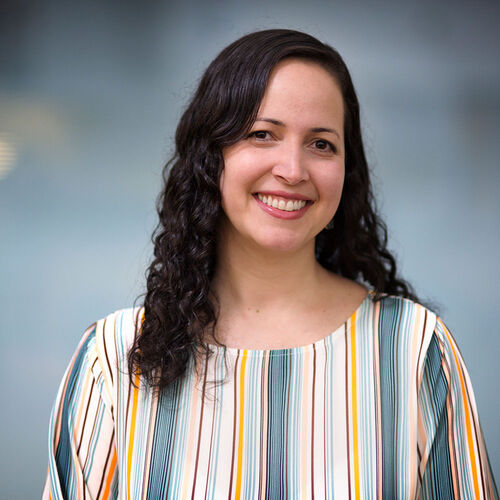
Fernanda Lima Cross
My program of research utilizes a strength-based approach to examining family and cultural factors that promote healthy development and mitigate the risk of poor psychological and/or educational outcomes for Latinx adolescents and families. I am particularly interested in examining the role of discrimination and undocumented status on the physical and mental health of Latinx immigrant parents as well as on the health outcomes of their adolescents. I utilize qualitative, quantitative, and mixed-methodologies. My long-term career goal is to translate my work into culturally sensitive, community-based interventions focused on supporting the mental health and increasing access to treatment for Latinx youth from immigrant families.
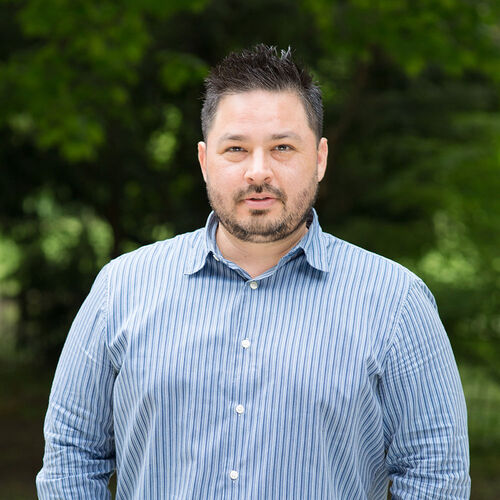
David Cordova
My research focuses on disease prevention and promoting youth well-being. I use community-engaged research to better understand the risk and protective factors that influence youth substance use and related health behaviors. Building on this foundational knowledge, I develop and test interventions aimed at addressing these issues. The ultimate goal of my research is to reduce substance use-related health disparities among vulnerable youth populations.
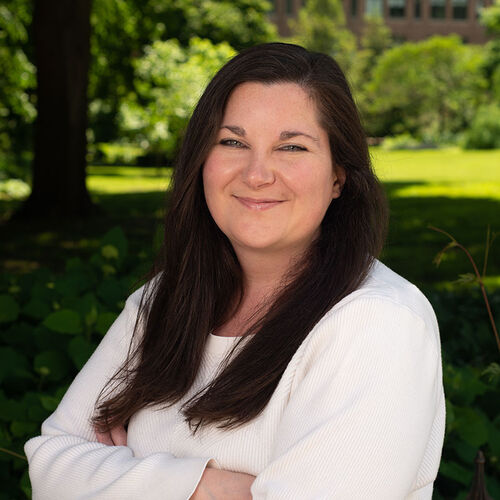
Ashley Lacombe-Duncan
Her research focuses on healthcare access and health equity, with a particular focus on healthcare access for people who experience multiple forms of intersecting oppressions. Specifically, her community-based interdisciplinary research agenda advances two overarching areas: (1) Sexual and reproductive healthcare access among lesbian, gay, bisexual, transgender (trans), queer and other sexuality and gender diverse (LGBTQ+) people and women living with HIV, with a substantive focus on trans women living with HIV; and, (2) Social ecological, intersectionality and multi-level stigma theoretical approaches applied to understand and address LGBTQ+ and women living with HIV’s health in local and global contexts. Lacombe-Duncan’s work informs interventions to remove multi-level barriers and increase access to intersectionally affirming healthcare.
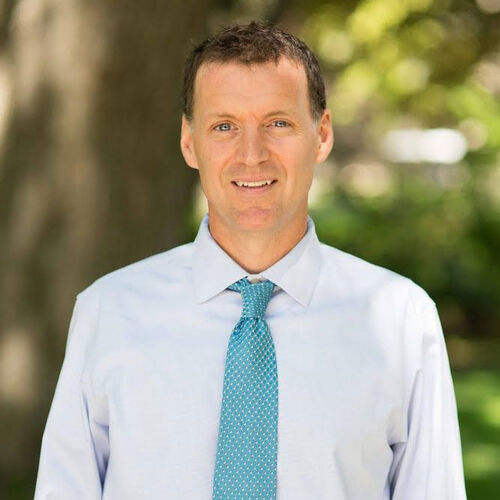
Joe Ryan
Joe Ryan's research and teaching build upon his direct practice experiences with child welfare and juvenile justice populations. Dr. Ryan is the Co-Director of the Child and Adolescent Data Lab an applied research center focused on using data to drive policy and practice decisions in the field. He is currently involved with several studies including a randomized clinical trial of recovery coaches for substance abusing parents in Illinois ( AODA Demonstration ) , a foster care placement prevention study for young children in Michigan ( MI Family Demonstration ), a Pay for Success (social impact bonds) study focused on high risk adolescents involved with the Illinois child welfare and juvenile justice system and a study of the educational experiences of youth in foster care ( Kellogg Foundation Education and Equity ).
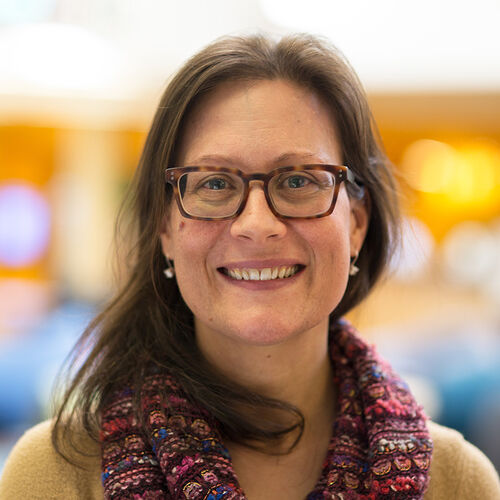
Katie Richards-Schuster
Her research focuses on understanding the strategies and approaches for engaging young people in communities, the contexts and environments that facilitate youth engagement across settings, and the impact of youth participation in creating community change. She is a leading scholar in using participatory research and evaluation approaches with young people and communities. She has written multiple peer-review articles and book chapters and has led community-engaged and national projects focused on youth participation. She has presented on youth participation in national and international conferences and co-chairs the Youth Focused Evaluation group within the American Evaluation Association. Current projects include an evaluation of a system-wide youth participatory evaluation within a large urban school district, a youth-led community assessment and data dialogues project, and a project to distill best practices in youth participation within social work.
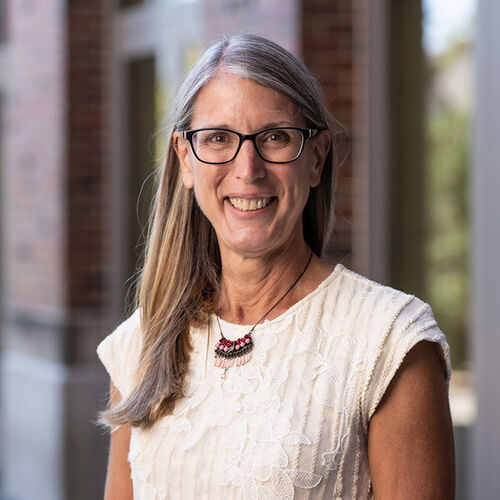
Kristin Seefeldt
Associate Professor Kristin Seefeldt’s primary research interests lie in exploring how low-income individuals understand their situations, particularly around issues related to work and economic well being. Currently, she is conducting research on families’ financial coping strategies and is a Principal Investigator of a survey examining the effects of the recession and recovery policies on individuals’ well being. Her most recent book, Abandoned Families (Russell Sage), explores the ways in which various institutions that once fostered economic security and upward mobility, currently fail low and moderate income families, particularly families of color. She is also the author of Working After Welfare (W.E. Upjohn Institute Press), which discusses employment and work-family balance challenges among former welfare recipients, and a co-author of America’s Poor and the Great Recession (Indiana University Press).
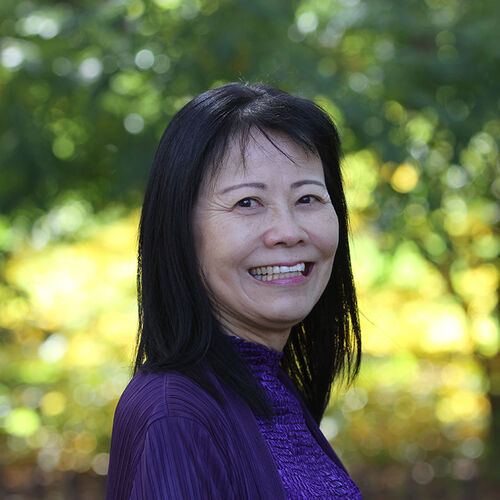
Mieko Yoshihama
Professor Yoshihama's research interests are violence against women, immigrants, mental health, and community organizing. Combining research and social action at local, state, national, and international levels over the last 25 years, Dr. Yoshihama focuses on the prevention of gender-based violence and promotion of the safety and wellbeing of marginalized populations and communities. Dr. Yoshihama’s research in both the U.S. and Japan is diverse methodologically, spanning from participatory action research to surveys with complex sampling design, from epidemiologic investigation to intervention/prevention research. In Michigan, she directs participatory action research projects aimed at organizing and mobilizing local community members to promote collective action to prevent domestic violence.
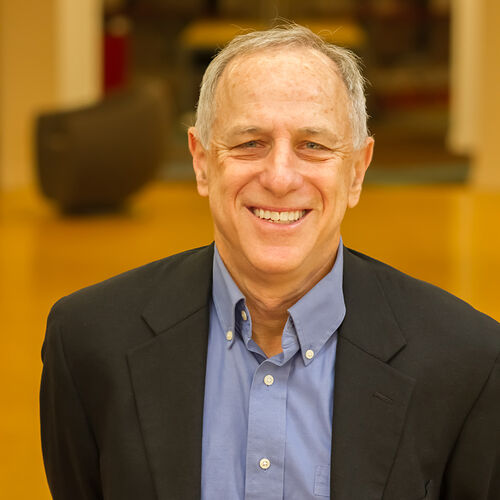
Rich Tolman
Richard M. Tolman, LMSW, PhD, is a professor at the University of Michigan School of Social Work. He received his doctorate in social welfare from the University of Wisconsin-Madison and his MSW from the University of Michigan. Professor Tolman's work focuses on the effectiveness of interventions designed to change violent and abusive behavior, and the impact of violence on the physical, psychological and economic well-being of victims He began his work in this area as a practitioner working with men who batter in 1980. His current projects include research on the impact of and prevention of abuse during pregnancy and involvement of men and boys as allies to end men's violence against women. He is currently co-Director of the Global Research Program on Mobilizing Men for Violence Prevention, a collaborative project between the University of Michigan and the University of Minnesota.
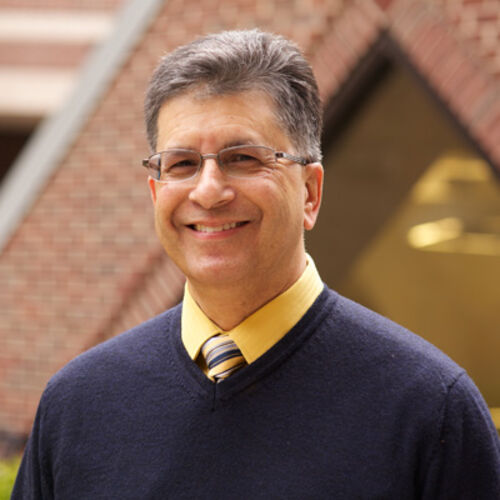
Robert Ortega
Associate Professor Robert Ortega’s research interests are in the areas of relationship development, group work practice, treatment interventions and service utilization particularly in the areas of mental health and child welfare. Ortega has published on these topics with a special focus on child maltreatment prevention and intervention, child welfare assessment and treatment, diversity and social justice in research and group work practice. He has presented at national and international professional conferences focusing on socially just practice in group work, child protection and school responses, assessing fathers, family reunification and culturally responsive child welfare practice.
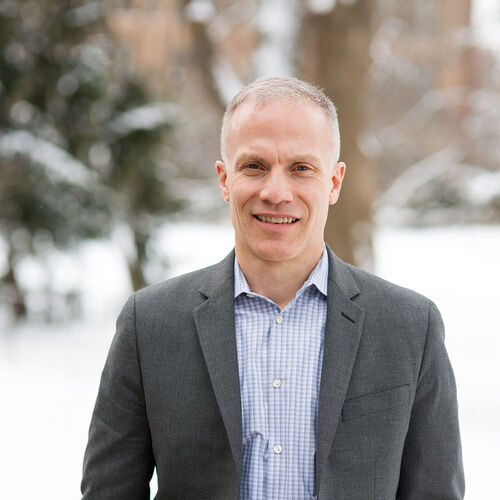
Todd Herrenkohl
My scholarship focuses on the correlates and consequences of child maltreatment, risk and resiliency, and positive youth development. My funded studies and publications examine health-risk behaviors in children exposed to adversity, protective factors that buffer against early risk exposure, and prevention. I work in the US and internationally with policy makers, school and child welfare professionals, and community partners to increase the visibility, application, and sustainability of evidence-based programs and practices in prevention, social emotional learning, and trauma supports.
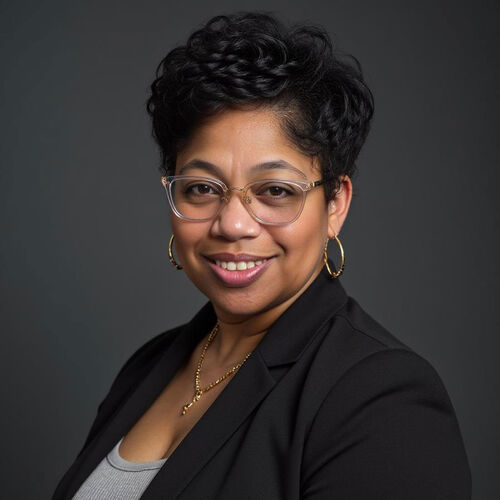
Camille Quinn
My work investigates how legal system involvement is associated with stress, trauma, PTSD and suicide among Black/African American youth and young adults, as well as the social relationships with family and peers, and other health and mental health disparities, including structural and systemic factors, with a primary focus on Black/African American girls in the youth punishment system.
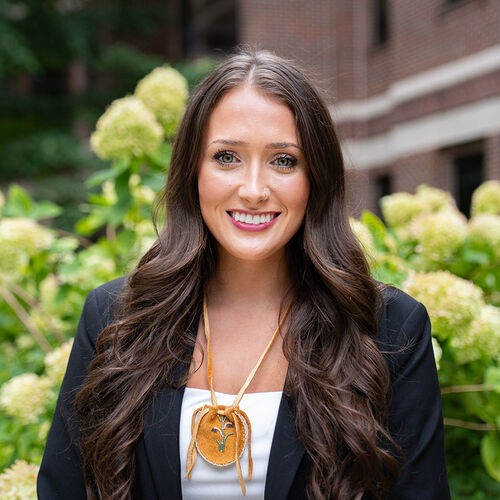
Tara Maudrie
Tara Maudrie, PhD, MSPH, is an enrolled citizen of the Sault Ste. Marie Tribe of Chippewa Indians (Snapping Turtle Clan) and a health researcher specializing in Indigenous food systems, nutrition and health. She has worked with urban and tribal communities across the U.S., collaborating on culturally grounded approaches to nourishment, well-being and food sovereignty. Maudrie is currently engaged in research, program development and policy efforts supporting Indigenous health and food systems.
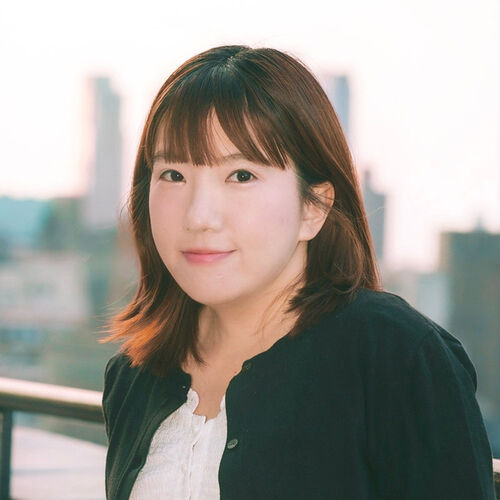
Nari Yoo
Nari Yoo is an assistant professor in the School of Social Work at the University of Michigan. Yoo is a social work scholar with a focus on reducing disparities in access and outcomes for immigrant and ethnic minority communities. Her research examines (1) how macro- and meso-level factors, including structural and cultural racism, influence mental health disparities and service utilization and (2) how technology can enhance service access and delivery for racially/ethnically and linguistically marginalized populations. She also applies computational social science methods, such as natural language processing and big administrative data analysis, to social work and mental health services research.
Connie Sung
Dr. Sung's primary research interests focus on the role of biopsychosocial factors and community-based interventions in improving school-to-work transition outcomes, career development and psychosocial adjustment for individuals with disabilities. She has authored over 100 publications in the areas of disability justice and rehabilitation. She leads and co-leads multiple projects that emphasize a holistic, strengths-based approach and focus on developing and validating community-based interventions to enhance quality of life and career outcomes for individuals with disabilities. Her work involves interdisciplinary, interagency and international collaborations spanning countries such as Hong Kong, China, Ireland, the UK, Slovakia, Ghana, Botswana and Mali.
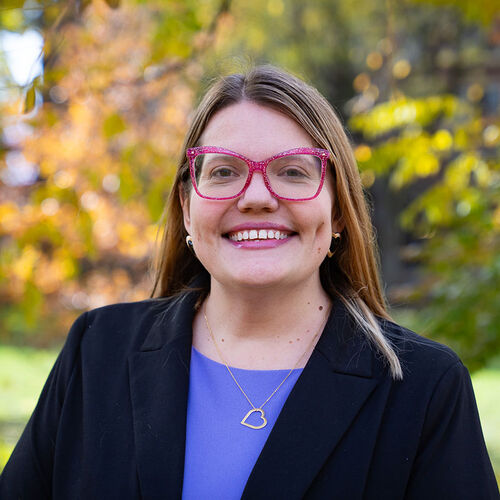
Katie Edwards
Katie Edwards, PhD, focuses on preventing and responding to sexual and related forms of violence among structurally minoritized populations using community-based participatory action research. Current work is focused on program development and evaluation with Indigenous youth and communities as well as LGBTQ2S+ youth in online spaces. Edwards highly values community leadership and engaging students, postdocs and early career scholars as co-leaders in research that seeks to make communities safe, equitable and inclusive for all.
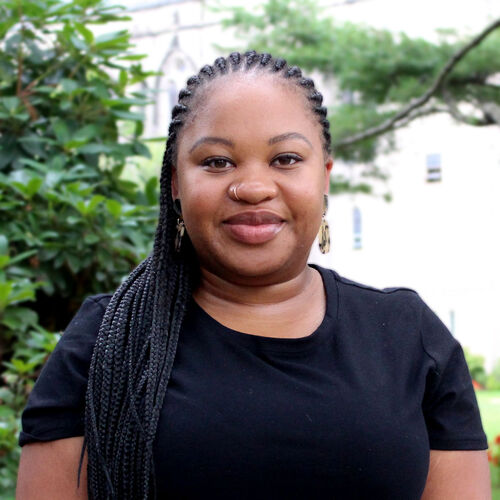
Greer Hamilton
Greer Hamilton (she/her) is an assistant professor at the University of Michigan School of Social Work. As a place-based researcher, her work seeks to examine how systems of oppression are embedded into the built environment and subsequently impact people’s health, well-being and use of public spaces. Her work often uses community-engaged, arts-based and embodied approaches to understand study participants’ experiences with places of meaning (e.g., neighborhoods).
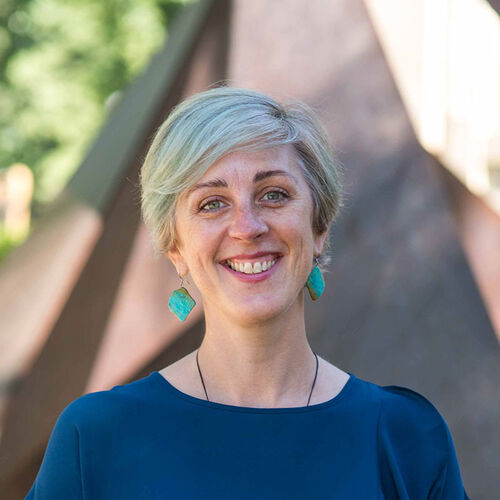
Katie Schultz
Dr. Katie Schultz focuses her research on health equity among American Indian and Alaska Native (AI/AN) populations. She examines violence and associated health outcomes, including substance misuse, among AI/AN women and girls; community and cultural connectedness as protective factors; and culturally-grounded interventions. A citizen of the Choctaw Nation of Oklahoma, she is interested in innovative conceptual and methodological research with tribal communities rooted in Indigenous knowledges and sustainable solutions by and for Native peoples. She is principal investigator on a study that seeks to identify risk pathways and key correlates, including cultural beliefs and practices, associated with reduced recidivism among AI/AN individuals with justice-involvement in Alaska (NIDA; R21DA050518).
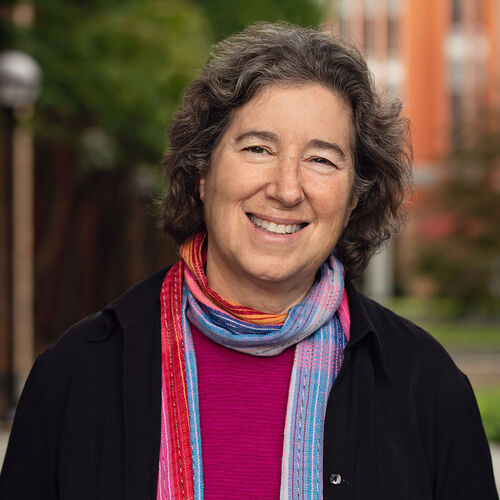
Karla Goldman
Karla Goldman's research focuses on the history of the American Jewish experience with special attention to the history of American Jewish communities and the evolving roles and contributions of American Jewish women. She directs the University of Michigan Jewish Communal Leadership Program, a collaborative effort between the School of Social Work and the Frankel Center for Judaic Studies. Goldman previously taught at Hebrew Union College-Jewish Institute of Religion in Cincinnati and was historian in residence at the Jewish Women’s Archive in Brookline, Massachusetts. She is the author of Beyond the Synagogue Gallery: Finding a Place for Women in American Judaism (Harvard Univeristy Press)
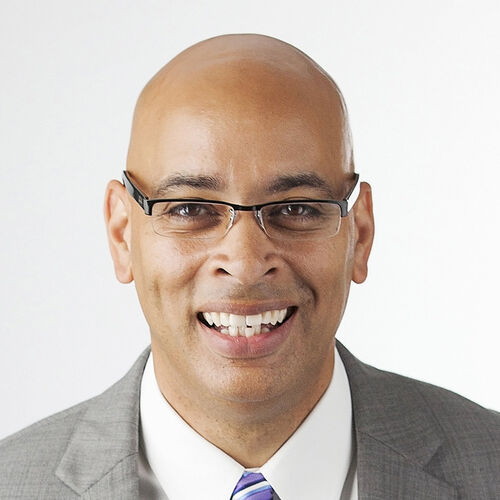
William Elliott
Professor William Elliott is a leading researcher in the fields of college savings accounts, college debt, and wealth inequality. He challenges individual beliefs and cultural values that surround funding for college, student debt, wealth inequality, systemic patterns of poverty, and educational justice.