
Brian E. Perron
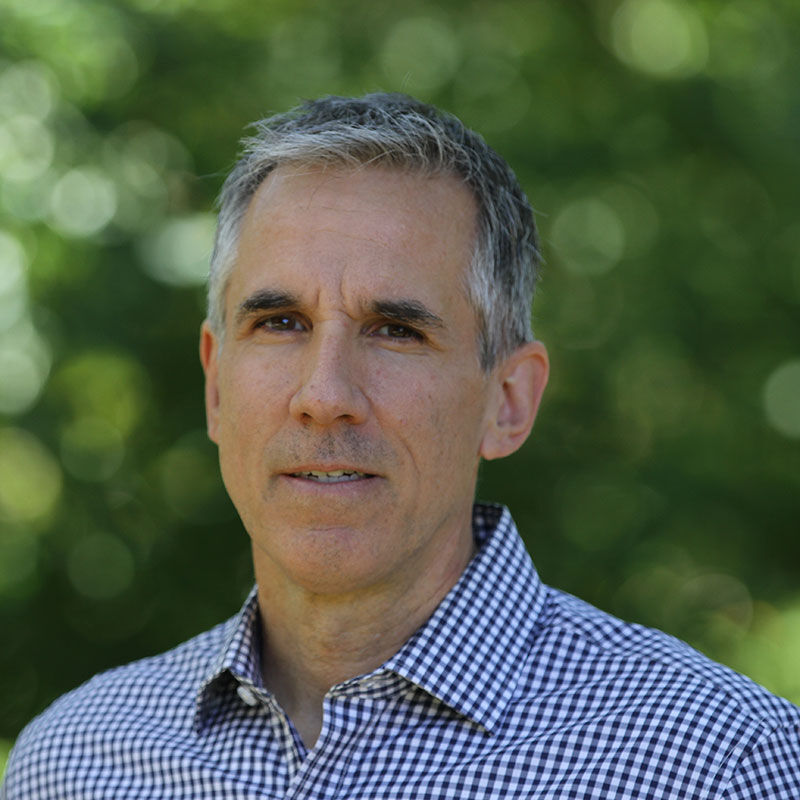
Brian E. Perron, PhD, is a professor at the University of Michigan School of Social Work. Perron's recent work focuses on helping community-based and mission-driven organizations use artificial intelligence and data to improve service delivery and other core business processes. Natural language processing and the fine-tuning and deployment of small, local models sit at the center of this work and run through most of it.
Rogério Meireles Pinto
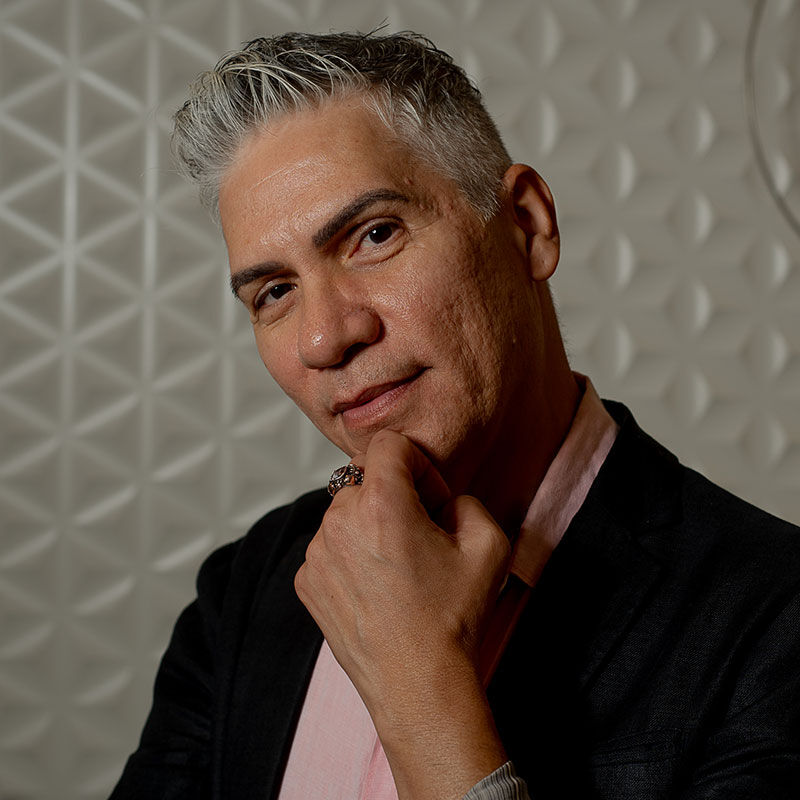
Born in Belo Horizonte, Brazil, Rogério M. Pinto uses mixed methods, including visual and performing arts, in community-engaged research in the United States and Brazil. Funded by the National Institutes of Health and other sources, Pinto investigates strategies for improving accessibility of social and health services (HIV and drug-use prevention and care) through cognitive/behavioral and social transformational interventions. Pinto’s work aims to help all people, and particularly racial/ethnic and sexual minoritized groups, engage in critical consciousness raising and social liberation.
Daicia R. Price
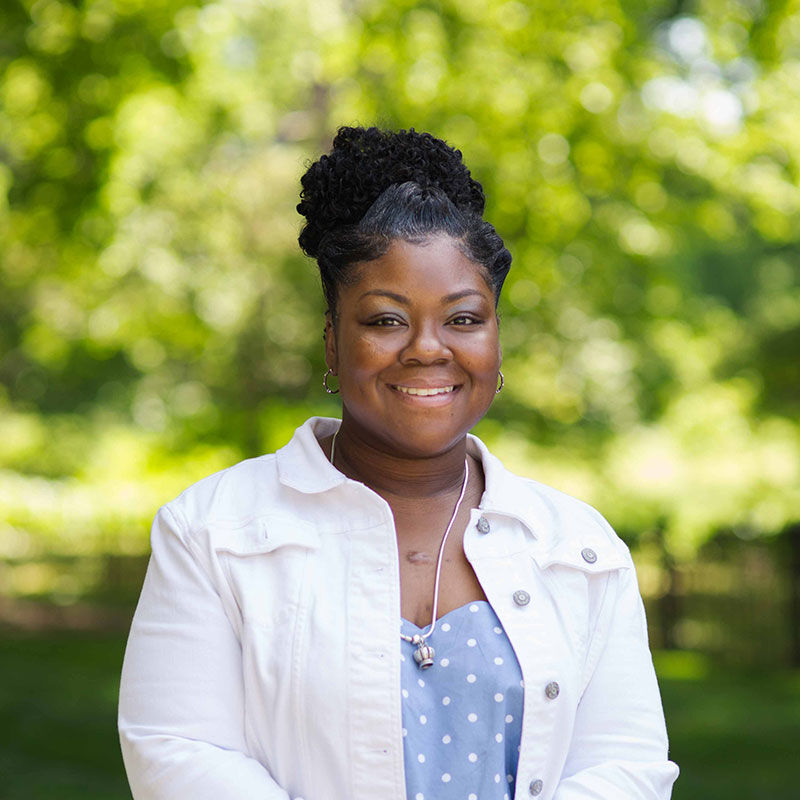
Dr. Daicia Price is a clinical associate professor of social work at the U-Michigan School of Social Work, where she teaches in the Interpersonal Practice in Integrated Health, Mental Health, and Substance Abuse pathway and leads specialized training programs. As the director of FLOURISH, she fosters leadership, engages in outreach, and promotes understanding, resiliency, innovation, support,and hope — aligning with the mission of reaching out, raising hope,and changing society.
Camille R. Quinn
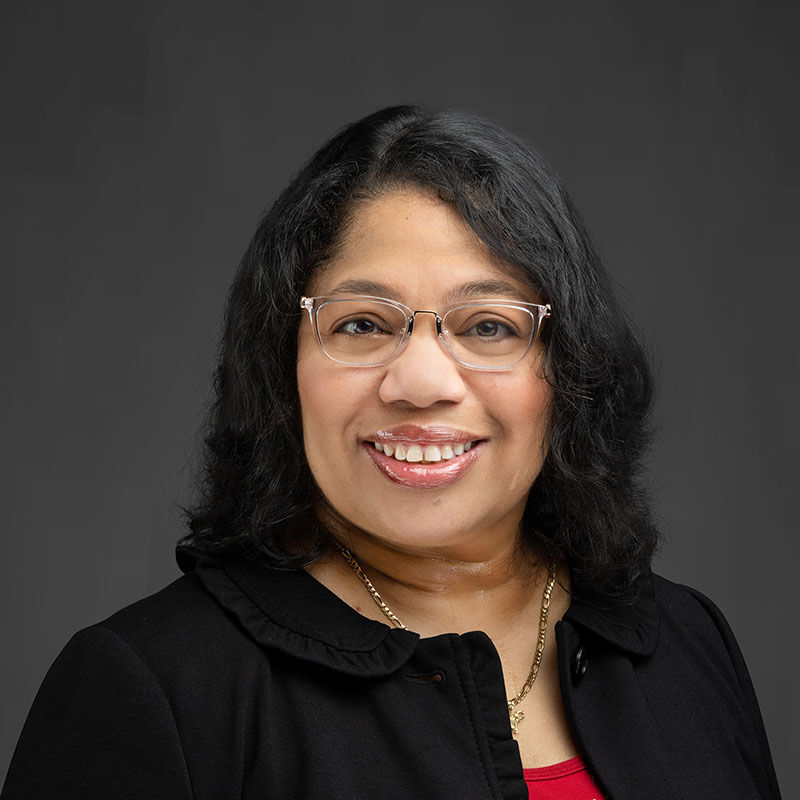
Camille R. Quinn, PhD, AM, LCSW, LISW-S, LMSW, is an associate professor at the U-M School of Social Work and a leading health criminologist whose research investigates health and mental health equity among Black/African American adolescents and young adults. Her scholarly work specifically examines the intersections of race, gender, health,and crime for those impacted by the youth punishment system.
Leigh Rauk
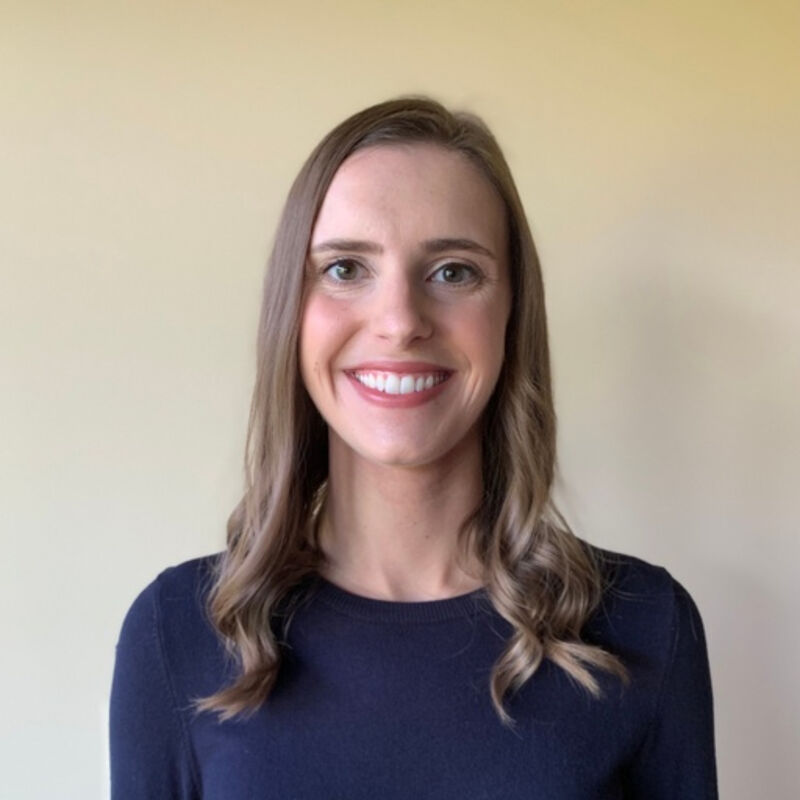
Dr. Leigh Rauk is an assistant research scientist with the Program Evaluation Group (PEG). She specializes in participatory and collaborative approaches to community-based research and evaluation with a utilization focus. She received her PhD in Community Well-Being from the University of Miami in 2021. In 2022, Rauk completed a postdoctoral fellowship at the U-M Institute for Firearm Injury Prevention, where her research focused on the intersections of school safety and firearm violence.
Julie M. Ribaudo

Julie Ribaudo, PhD, LMSW, is a Clinical Professor of Social Work at the University of Michigan. Her career has primarily focused on parent-infant and early childhood relational health. Before joining U-M in 2006, she worked across a range of community-based settings, including mental health, education,and child welfare.
Katie E. Richards-Schuster
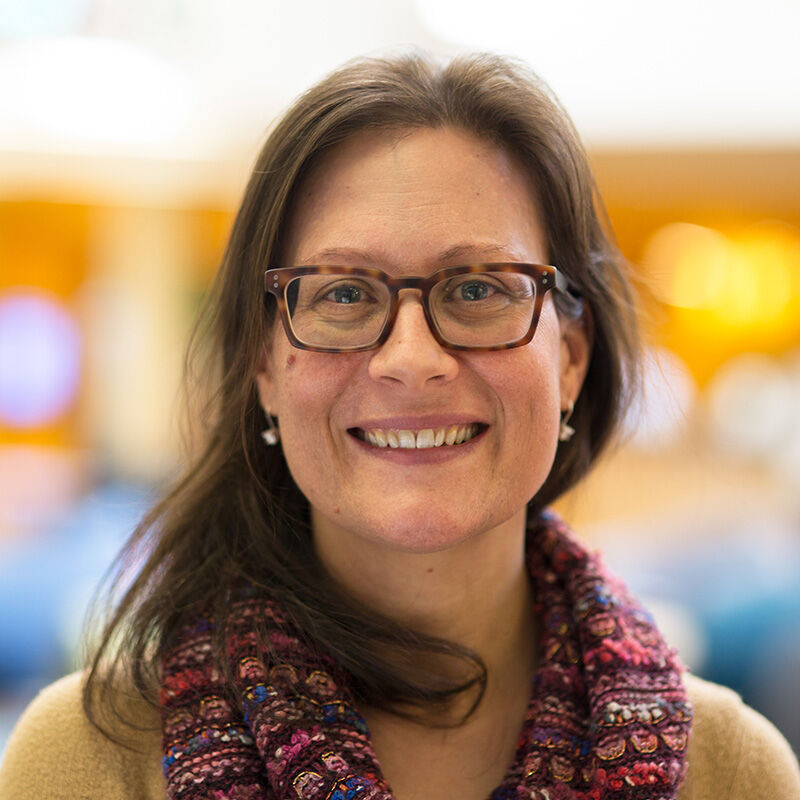
Katie Richards-Schuster, AM, PhD, is an associate professor at the University of Michigan School of Social Work. She received her PhD in Social Work and Sociology from U-M, her AM from the University of Chicago, and her BA in Political Science from U-M.
Joseph P. Ryan
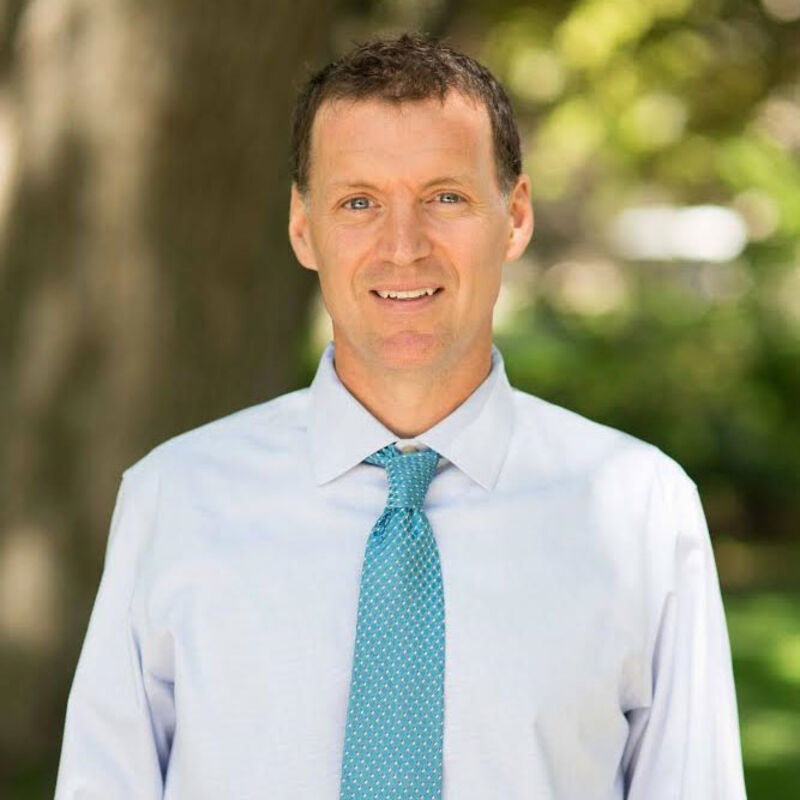
Joe Ryan's research and teaching build on his direct practice experience with child welfare and juvenile justice populations. He directs the Child and Adolescent Data Lab, an applied research center that works with public agencies to turn administrative records into evidence for policy and practice. The lab's computational methods help track the trajectories of children and families in child welfare and juvenile justice, and its work serves researchers, practitioners and the communities the data describe.
Monica D. Sampson

Monica Sampson, MSW ’00, is a clinical faculty member of the School of Social Work, where she teaches MSW courses across both macro and micro pathways. With over 31 years of experience as a clinical and macro social worker, Sampson has dedicated her career to working with vulnerable children, youth, families and communities. Her teaching emphasizes diversity, equity and inclusion, grounding all content in an anti-racist, social justice framework that highlights the core principles of power, oppression, intersecting social identities and structural privilege and marginalization.