
Beth Angell
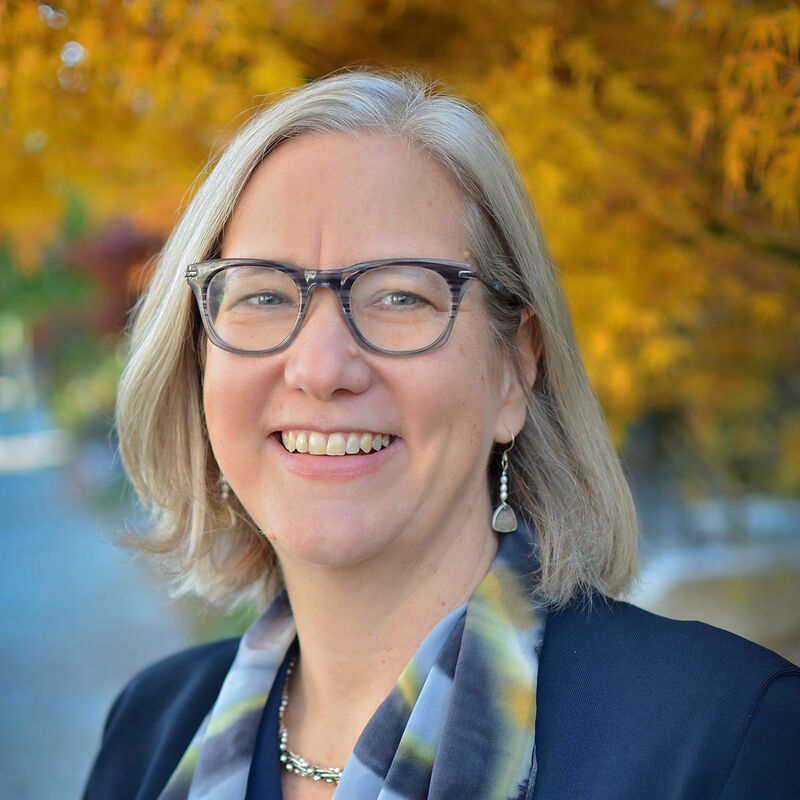
Dr. Beth Angell is dean and professor of social work at the U-M School of Social Work. She began her appointment on July 1, 2022.
Lindsay A. Bornheimer

Dr. Lindsay Bornheimer's research program focuses on understanding and preventing suicide death among adults experiencing serious mental illness, with a specific focus on schizophrenia spectrum disorders and bipolar disorder. Her work aims to examine suicide risk and protective factors, advance theories of suicide, develop and test behavioral interventions, and increase the utility and scalability of evidence-informed interventions in mental health care.
Rona Carter
Professor Carter studies associations between pubertal development and patterns of adjustment (psychological, behavioral, and health), with particular attention to how pubertal processes, social-cultural contextual factors (family, peers, teachers, romantic partners), and wider social systems (culture, ethnicity) interact to contribute to girls’ adjustment problems from late childhood to young adulthood. Within the above context, her work focuses on three interrelated lines of research:
M. Candace Christensen

Dr. M. Candace Christensen (they/them) is an associate professor at the University of Michigan School of Social Work.
David Córdova

Professor Córdova received his Ph.D. from Michigan State University and graduated a Substance Abuse and Mental Health Services Administration Minority Fellow. After completing his National Institutes of Health-funded postdoctoral training at the University of Miami Miller School of Medicine, Professor Córdova joined the faculty at the University of Michigan School of Social Work. His research focuses on Latino health inequities, particularly as it relates to the prevention of substance use and HIV in adolescents.
Fernanda L. Cross
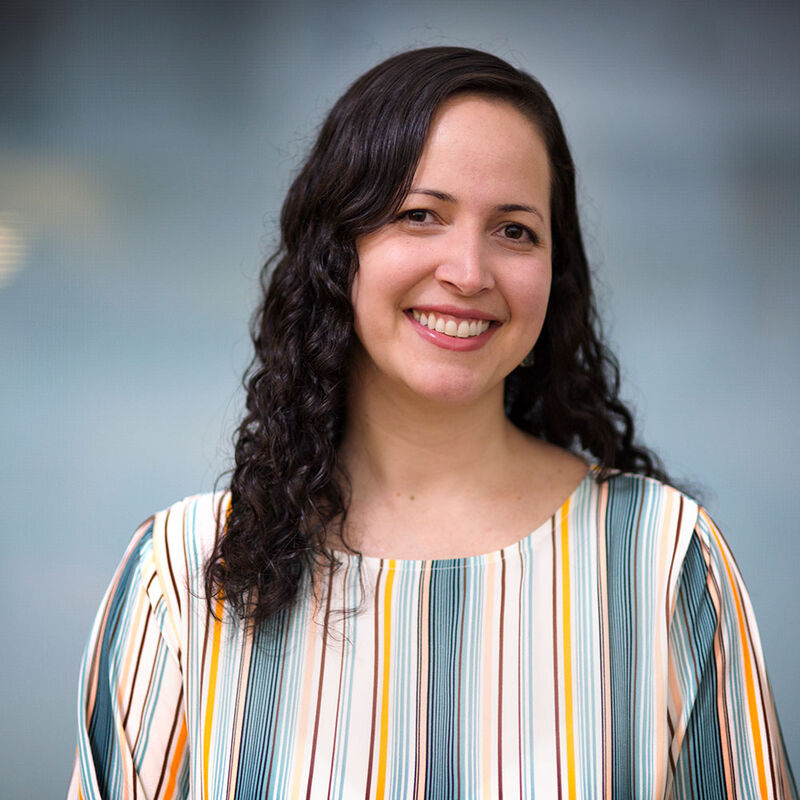
Cross received her MSW from the School of Social Work and a PhD in Developmental Psychology from the University of Michigan. Her research program utilizes a strength-based approach to examining family and cultural factors that promote healthy development and mitigate the risk of poor psychological and/or educational outcomes for Latinx adolescents and families. She is particularly interested in examining the role undocumented status plays in family processes and adolescents’ outcomes, as well as the protective effects of ethnic-racial socialization and identity development.
Ashley E. Cureton
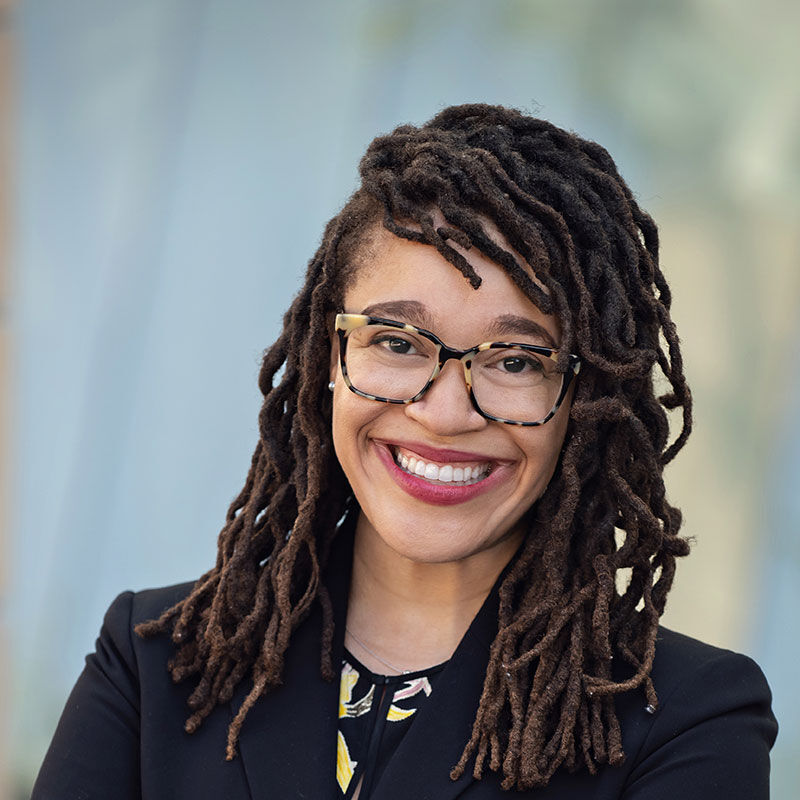
Dr. Ashley Cureton or "Dr. C" is an assistant professor in the School of Social Work and Marsal Family School of Education at U-M. She is also a visiting scholar at the University of Pennsylvania Graduate School of Education. Prior to her current role, she was a Provost’s Postdoctoral Fellow and lecturer in the School of Education and the Department of Sociology at Johns Hopkins University.
Katie M. Edwards
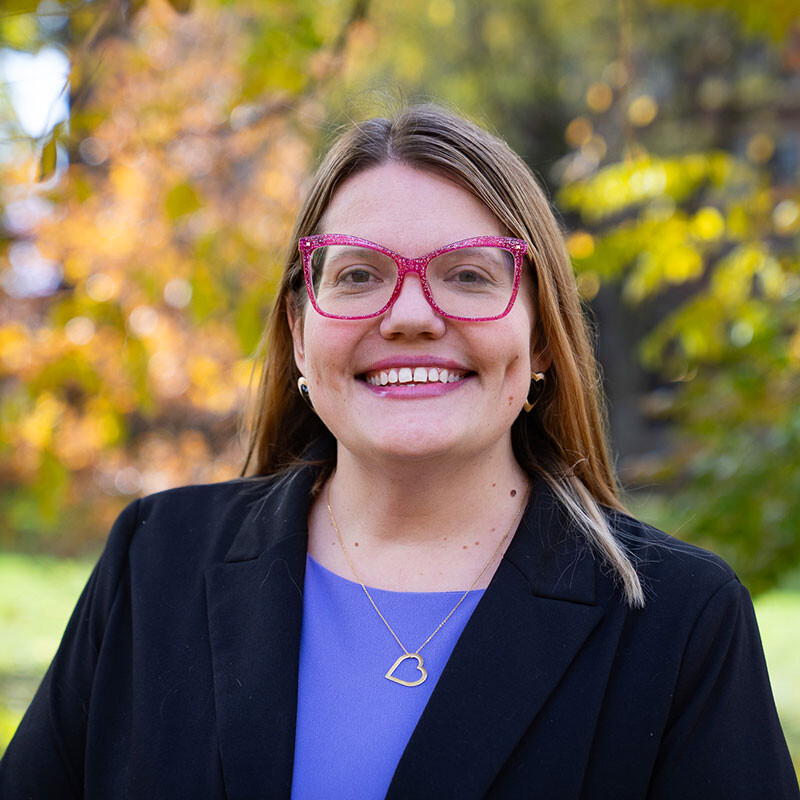
Katie Edwards, PhD, focuses on preventing and responding to sexual and related forms of violence among structurally minoritized populations using community-based participatory action research. Current work is focused on program development and evaluation with Indigenous youth and communities as well as LGBTQ2S+ youth in online spaces. Edwards highly values community leadership and engaging students, postdocs and early career scholars as co-leaders in research that seeks to make communities safe, equitable and inclusive for all.
William Elliott III

Professor William Elliott is a leading researcher in the fields of college savings accounts, college debt, and wealth inequality. Shaped by his personal roots in poverty in a small steel mill city in Pennsylvania, Professor Elliott pursues challenging individual beliefs and cultural values that surround funding for college, student debt, inequality, systemic patterns of poverty, and educational justice. Being refined in poverty allows him to approach questions in his research differently.
James M. Ellis
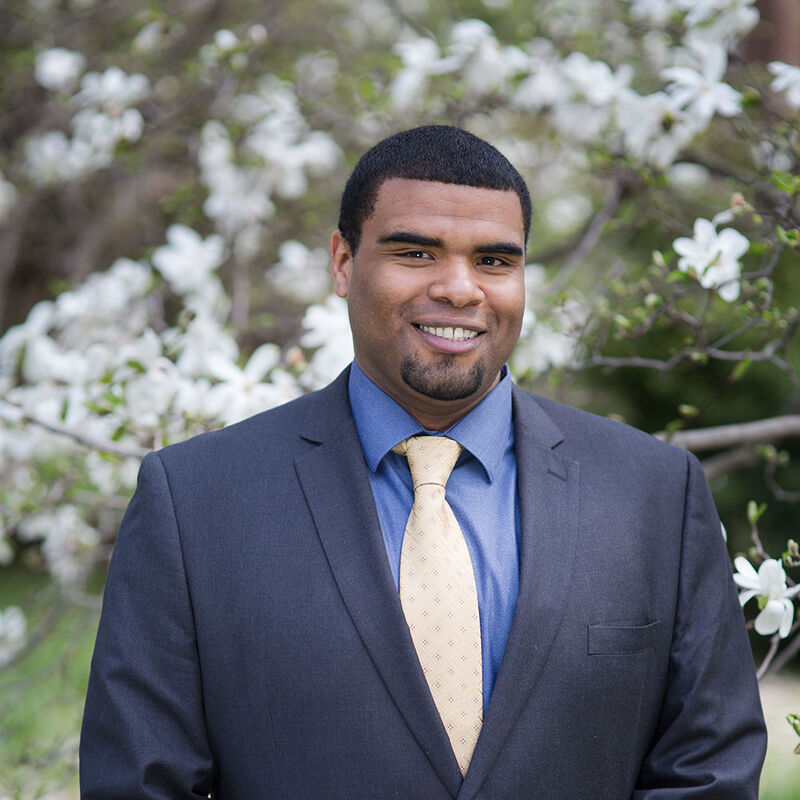
Dr. James M. Ellis’s research investigates relationships between education pipeline experiences and racial-ethnic and low-income student pathways to college enrollment and degree completion. His’ scholarship examines the nexus between college readiness program participation, developmental approaches to college readiness, social support from peers and adults and racism and discrimination in education settings. Dr. Ellis utilizes an interdisciplinary approach to carry out his research program and has methodological expertise in quantitative and qualitative methods and designs.