The School of Social Work leads the profession in teaching, research, innovation, collaboration and service.

Ranked #1 in the Nation Since 2012

By U.S. New & World Report

Upcoming Events

June 18, 2026

U-M Campus Partners Juneteenth Luncheon

Join us as BEAM collaborates with 

June 18, 2026

Community Conversation: Civil Rights Protections in the Workplace

Please join us for a conversation about the Equal Employment Opportunity Commission’s recent plan to discontinue the collection of certain workplace discrimination data from employers.

June 23, 2026

Community Conversation: Doom Scrolling, Burnout, and Mental Health

In a world of constant notifications, endless scrolling, and nonstop information, many people feel overwhelmed by the emotional weight of the digital age. Doom scrolling and the pressure to always stay connected can contribute to stress, anxiety, burnout, and emotional exhaustion.

June 29, 2026

Community Conversation: The Job Application Process

We invite you to a Community Conversation around The Job Application Process on Monday, June 29 at noon

All Events

Academic Calendar

Full academic calendar

Artwork at the SSW

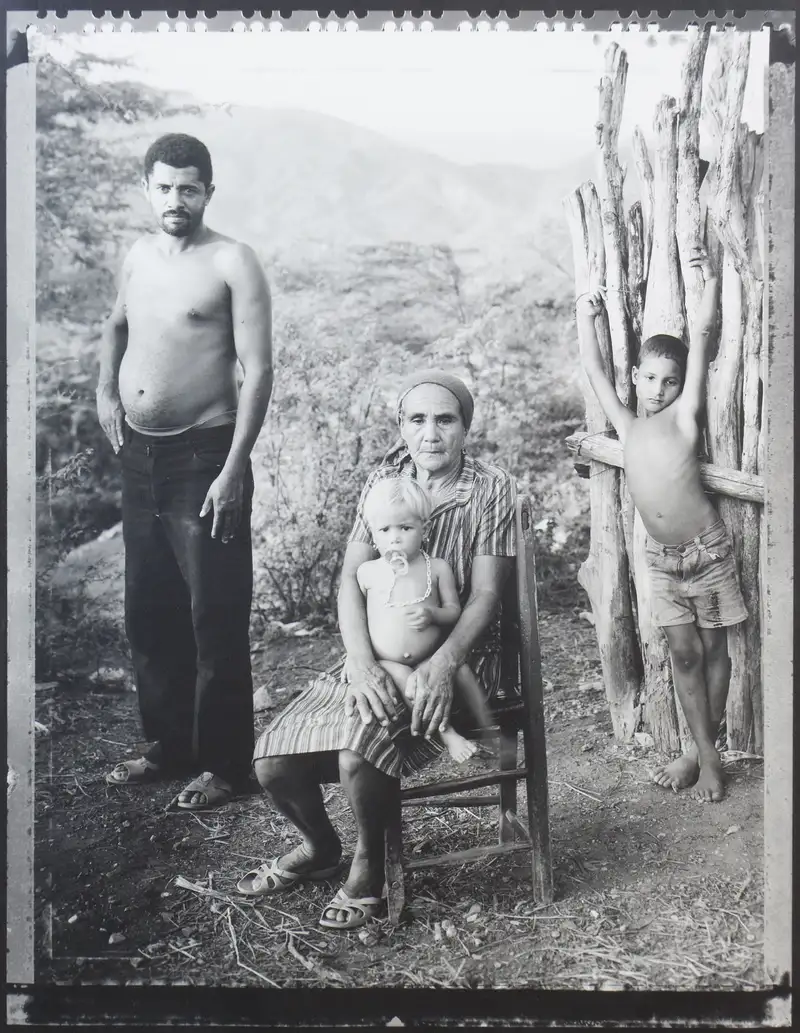
Family Portrait, Estabania, Dominican Republic

Lewis Tobey (American) , b. 1961

1991
Gelatin silver print
98.04

SSWB 2733

Lewis Tobey is a professor of photography at the School of the Art Institute of Chicago, and a commercial portrait photographer with his wife, Brenda Black. In the early 90s, Tobey visited the Dominican Republic. The portfolio of images he created of rural life on that island in the Carribbean, form a sharp contrast with portraits from his commercial practice, much like the contrast in the rural and urban populations of the Dominican Republic itself. The history of the Dominican Republic, Like many islands in the Caribbean, is one of colonization. It was, in fact, the first place to be colonized after Columbus’ arrival. In the centuries since then, the native Taino population has nearly disappeared and the immigrant European and African populations intermarried. Currently 73% of the population is of mixed race. Colonization was followed by annexation, re-colonization, occupation by the US military, and finally, a series of rulers, few of whom focused on social justice. Although the country has seen great growth in the last few decades, it is concentrated in the hands of the extraordinarily wealthy land and resort owners. There is great wealth to be had in the tourist industry, but little of it makes its way to the rural areas where most live in poverty and some in extreme poverty.

The family in Family Portrait reflects the population of the rural areas. We see three generations of one family outdoors in little clothing. The rainforest climate encourages dressing lightly but the clothing seen here is also worn and old. On the right, branches or tree trunks may create a wall on which a young boy leans. Some housing in the rural areas is still made of natural materials, in the indigenous manner, although most are made of wood and tin. Villages were traditionally formed by one or two families and kinship ties are important. Several generations may live in the same dwelling for support or because opportunities for economic dependence are few. In the developed ‘first world’ we may romanticize the tradition of multi-generational family structures as seen here. Although this structure may provide support and security, it should not be the fallout of economic opportunity.